
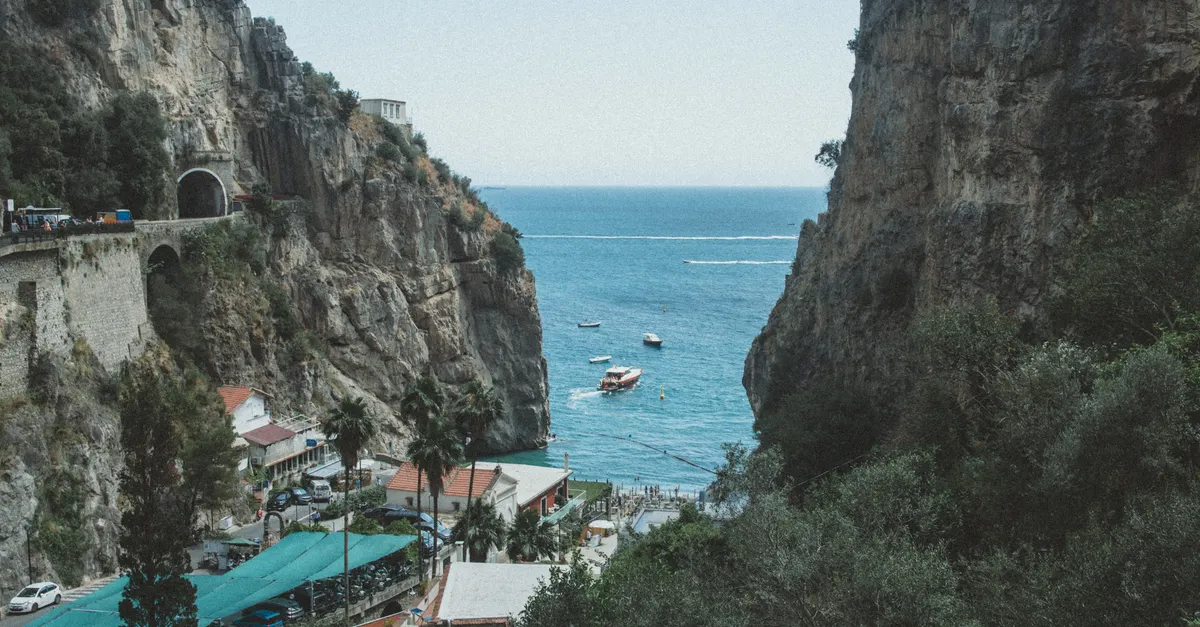
Southern Italy is renowned for its dramatic coastlines, ancient ruins, and vibrant cities, but beyond the well-trodden tourist routes lie lesser-known towns brimming with authentic charm. Exploring these hidden gems in southern Italy off the beaten path offers a unique window into the region’s traditions, landscapes, and warm hospitality. Whether you’re a seasoned traveler or planning your first Italian adventure, discovering these towns can transform your journey into something truly memorable. If you’re traveling with young children, you might also find these tips for traveling with children helpful for a smoother trip.
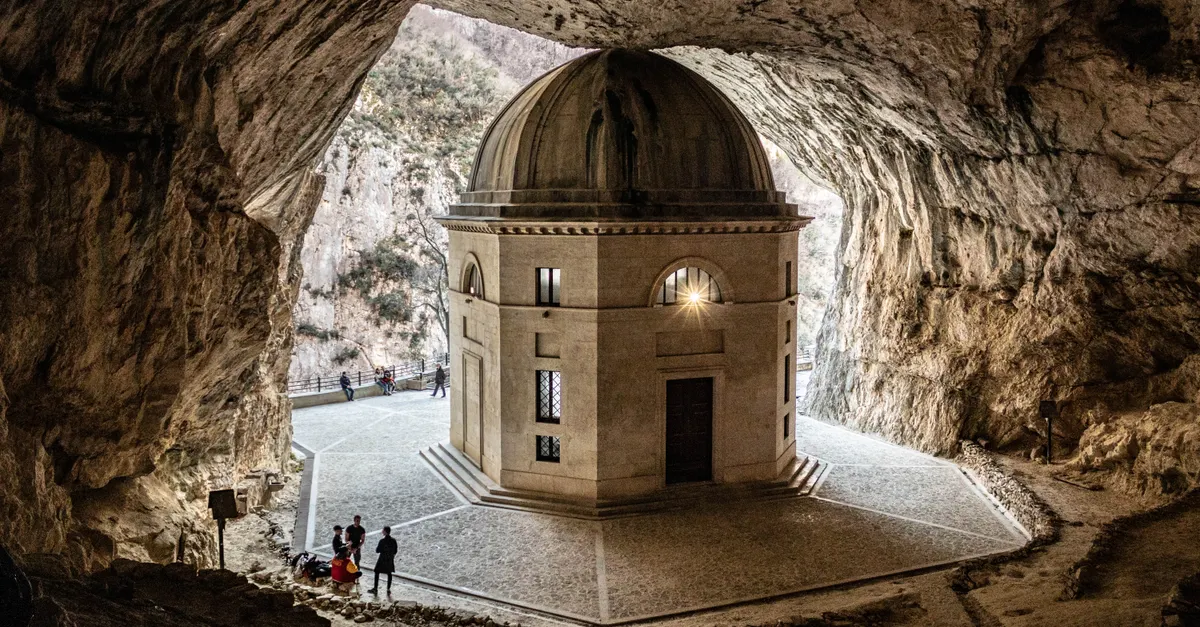
Why Seek Out Southern Italy’s Lesser-Known Towns?
While famous destinations like Naples, the Amalfi Coast, and Sicily attract crowds for good reason, venturing into the quieter corners of the south rewards you with uncrowded piazzas, untouched nature, and a slower pace of life. These towns often preserve centuries-old traditions, serve up regional specialties, and offer a more personal connection with locals. For those seeking an authentic Italian experience, exploring these offbeat locations is a must.
1. Maratea: The Pearl of the Tyrrhenian
Nestled between lush mountains and the sparkling Tyrrhenian Sea, Maratea is a coastal treasure in Basilicata. Its medieval old town is a labyrinth of narrow lanes, pastel houses, and panoramic terraces. The towering Christ the Redeemer statue overlooks the town, offering sweeping views of the coastline. Maratea’s secluded beaches, hidden coves, and charming harbor make it a peaceful retreat far from the crowds.
2. Gerace: Calabria’s Timeless Hilltop Village
Perched high above the Ionian coast, Gerace is a beautifully preserved medieval town in Calabria. Its stone streets wind past ancient churches, noble palaces, and a Norman castle. The town’s cathedral, one of the largest in southern Italy, is a testament to its historic importance. Gerace’s tranquil atmosphere and breathtaking vistas make it a perfect stop for travelers seeking history and serenity.
3. Locorotondo: Whitewashed Beauty in Puglia
Locorotondo, set amidst the rolling hills of the Valle d’Itria, is famous for its circular layout and dazzling whitewashed houses. This Puglian gem is less crowded than neighboring Alberobello but equally enchanting. Stroll through its flower-adorned alleys, sample local wines, and enjoy sweeping views of the countryside dotted with trulli. Locorotondo’s authenticity and charm make it a highlight for those searching for hidden gems in southern Italy off the beaten path.
4. Morano Calabro: A Mountain Jewel
Morano Calabro, nestled at the foot of the Pollino Mountains, is a striking sight with its houses cascading down the hillside. The town’s medieval core is crowned by a ruined Norman castle and offers panoramic views of the surrounding national park. Morano Calabro is ideal for hikers, nature lovers, and anyone eager to experience traditional Calabrian life away from tourist hotspots.
5. Castelmezzano: Adventure Amid the Dolomiti Lucane
Castelmezzano is dramatically set among the rugged peaks of the Dolomiti Lucane in Basilicata. Its stone houses cling to the mountainside, creating a fairytale-like setting. The town is famous for the “Volo dell’Angelo” (Flight of the Angel), a thrilling zipline experience between Castelmezzano and neighboring Pietrapertosa. Beyond adventure, visitors can savor local cuisine and soak up the breathtaking scenery in this truly unique destination.
6. Scilla: Myth, Sea, and Tradition
On Calabria’s Tyrrhenian coast, Scilla is steeped in myth and maritime tradition. The picturesque Chianalea district, with its fishermen’s houses perched over the water, is often called the “Venice of the South.” The imposing Ruffo Castle stands guard above the beach, while local trattorias serve up the freshest swordfish. Scilla’s blend of legend, sea views, and authentic culture makes it a standout among southern Italy’s lesser-known towns.
7. Venosa: Layers of History in Basilicata
Venosa, the birthplace of the Roman poet Horace, is a town where history comes alive. Visitors can explore Roman ruins, a medieval abbey, and Jewish catacombs, all within walking distance. The town’s archaeological park and lively local markets offer a glimpse into the region’s rich past and vibrant present. Venosa’s quiet streets and welcoming atmosphere invite travelers to linger and discover its many stories.
Planning Your Journey to Southern Italy’s Secret Towns
Reaching these off-the-beaten-path destinations often requires a bit more planning, but the rewards are well worth the effort. Renting a car is the most flexible way to explore the region, as public transport can be limited in rural areas. Consider visiting in the spring or autumn for mild weather and fewer tourists. Accommodations range from family-run B&Bs to historic inns, providing an intimate and authentic stay.
What to Expect: Food, Culture, and Local Life
Each of these towns boasts its own culinary specialties, from fresh seafood in Scilla to hearty mountain fare in Morano Calabro. Markets and festivals offer opportunities to sample local cheeses, wines, and sweets. The slower pace of life means shops may close for long lunch breaks, and evenings are often spent in lively piazzas. Embracing these rhythms is part of the charm of discovering hidden gems in southern Italy off the beaten path.
Tips for Responsible and Enjoyable Travel
- Respect local customs: Dress modestly in churches and greet shopkeepers with a friendly “buongiorno.”
- Support small businesses: Choose locally owned restaurants and shops to help sustain these communities.
- Travel light: Many historic centers have narrow, cobbled streets. A small suitcase or backpack is easier to manage. For packing advice, check out this carry on only packing list.
- Learn a few Italian phrases: Even basic greetings go a long way in making connections with locals.
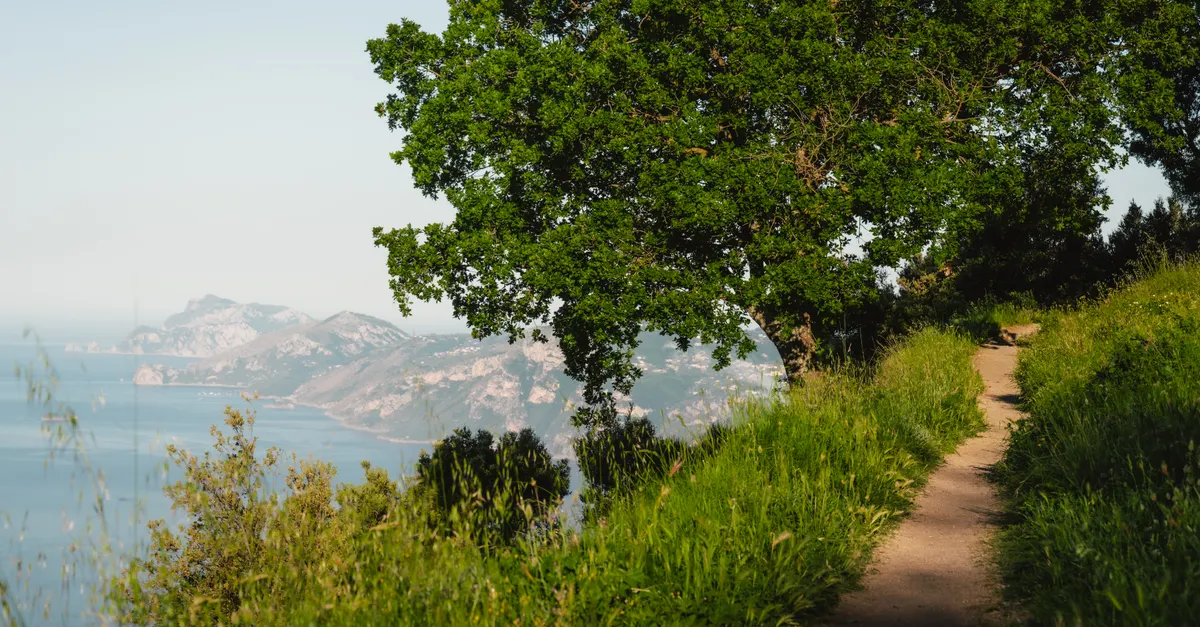
FAQs About Exploring Southern Italy’s Hidden Treasures
What is the best way to get around these lesser-known towns?
The most convenient option is to rent a car, as public transportation can be infrequent or unavailable in rural areas. Driving allows you to explore at your own pace and reach remote villages that aren’t accessible by train or bus.
Are these destinations suitable for solo travelers?
Absolutely. Many of these towns are safe and welcoming for solo visitors. If you’re new to traveling alone, you might find these tips on first time solo travel helpful for building confidence and staying safe.
When is the best time to visit southern Italy’s offbeat towns?
Spring (April to June) and autumn (September to October) offer pleasant weather, fewer crowds, and vibrant local festivals. Summer can be hot and busy, while winter is quieter but some attractions may have reduced hours.
Discover More Unique Travel Experiences
If you’re inspired to seek out more unconventional adventures, consider exploring trends like what is noctourism night travel for a fresh perspective on your journeys. Southern Italy’s hidden towns promise unforgettable memories, authentic encounters, and a deeper understanding of Italian culture—well worth the detour from the usual tourist trail.