
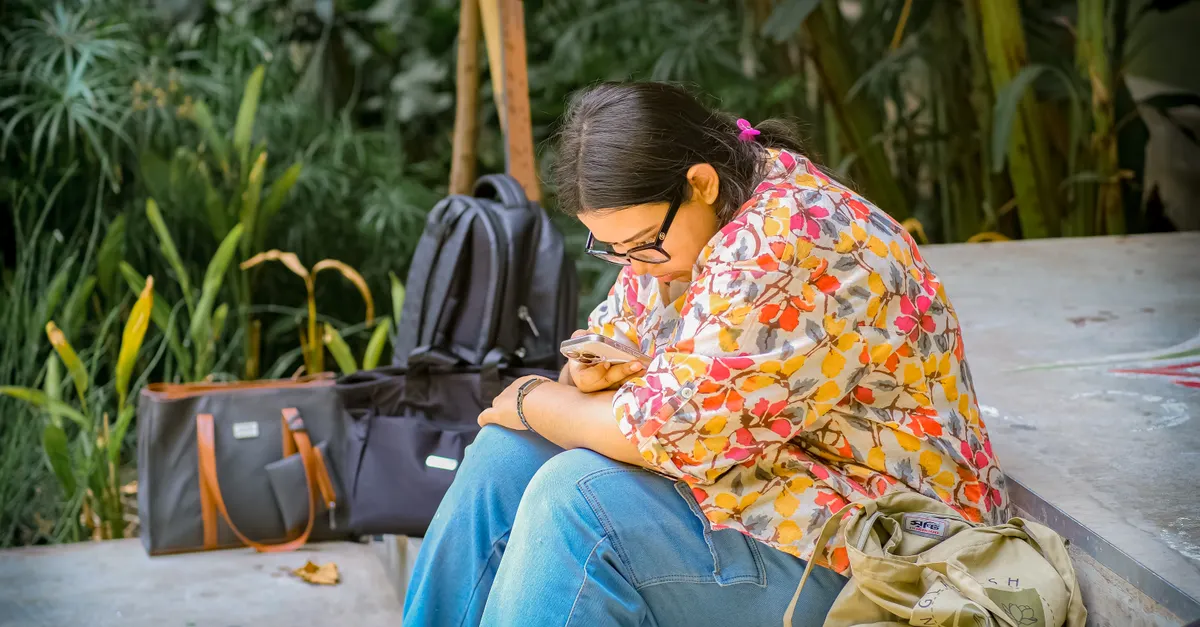
Setting out on your first time solo travel adventure can be both exhilarating and nerve-wracking. The thrill of exploring new places alone is often matched by feelings of anxiety and uncertainty about safety, planning, and the unknown. Whether you’re heading to a bustling city or a remote village, traveling alone for the first time is a milestone that brings unique challenges and rewards. Before diving into practical strategies to manage nerves and stay secure, it’s worth noting that solo journeys open doors to personal growth, independence, and unforgettable experiences. If you’re curious about unique ways to see the world after dark, you might also enjoy learning what is noctourism night travel and how it’s changing the way people explore destinations.
Understanding the Anxiety of Traveling Alone
Feeling anxious before embarking on your first solo trip is completely normal. Many travelers worry about getting lost, facing language barriers, or simply being alone in unfamiliar surroundings. These concerns are valid, but they can be managed with preparation and the right mindset. Recognizing that anxiety is a natural response to stepping out of your comfort zone is the first step toward overcoming it.
Common sources of worry include:
- Safety and personal security
- Navigating transportation and accommodation
- Loneliness or homesickness
- Unfamiliar customs and languages
By addressing these fears head-on and equipping yourself with practical tools, you can transform anxiety into excitement and confidence.
Essential Safety Tips for First-Time Solo Travelers
One of the top priorities for anyone venturing out alone is staying safe. Here are some foundational safety tips to keep in mind:
- Research your destination thoroughly before you go. Learn about local customs, areas to avoid, and emergency contacts.
- Share your itinerary with trusted friends or family. Regular check-ins can provide peace of mind for both you and your loved ones.
- Keep digital and physical copies of important documents, such as your passport, ID, and travel insurance.
- Stay aware of your surroundings, especially in crowded or unfamiliar places. Trust your instincts—if something feels off, remove yourself from the situation.
- Limit how much cash you carry and use a money belt or concealed pouch for valuables.
Remember, most solo trips go smoothly, but being prepared ensures you can handle unexpected situations with confidence.
Packing Smart for Solo Journeys
Packing light and efficiently is especially important when you’re traveling alone. You’ll be responsible for carrying your own bags and navigating through airports, train stations, or city streets. Consider using a carry on only packing list to streamline your packing process and avoid unnecessary stress.
Key packing tips include:
- Choose versatile clothing that can be layered and mixed for different occasions.
- Bring only what you need—resist the urge to overpack.
- Include a basic first aid kit, reusable water bottle, and portable charger.
- Keep essential items like medications and travel documents easily accessible.
Being organized with your belongings not only makes travel easier but also reduces the anxiety of losing or forgetting something important.
Building Confidence Before and During Your Trip
Confidence is key to enjoying your first solo adventure. Here are some ways to build it before you leave and while you’re on the road:
- Start with a destination that feels manageable—perhaps a country where you speak the language or a city known for being solo-traveler friendly.
- Plan your first few days in detail, including accommodation and transportation, so you have a clear starting point.
- Practice basic phrases in the local language, even if it’s just greetings and thank-yous.
- Set small goals for each day, like visiting a museum or trying a local dish, to create a sense of accomplishment.
As you navigate new environments and overcome small challenges, your confidence will naturally grow.
Staying Connected and Navigating Loneliness
One of the most common concerns for solo travelers is feeling isolated. While solitude can be empowering, it’s important to find ways to stay connected and engaged:
- Use technology to keep in touch with friends and family through regular messages or video calls.
- Join group tours, classes, or local events to meet other travelers and locals.
- Stay in social accommodations like hostels or guesthouses where it’s easy to make connections.
- Keep a travel journal or blog to document your experiences and reflect on your journey.
Balancing alone time with social interaction helps prevent loneliness and enriches your travel experience.
Practical Planning for a Smooth Solo Experience
Good planning can significantly reduce anxiety and help you feel more in control. Here’s how to set yourself up for a smooth journey:
- Book your first night’s accommodation in advance and have a plan for getting there from the airport or train station.
- Download offline maps and translation apps to help you navigate without internet access.
- Familiarize yourself with local transportation options, ticketing systems, and common scams.
- Set a daily budget to manage expenses and avoid financial stress.
Taking care of these details ahead of time frees you up to enjoy spontaneous moments and new discoveries.
Embracing the Benefits of Solo Exploration
Traveling alone for the first time isn’t just about managing anxiety—it’s also about embracing the unique benefits of solo exploration:
- Freedom and flexibility: Set your own schedule and follow your interests without compromise.
- Personal growth: Overcoming challenges on your own builds resilience and self-reliance.
- Deeper cultural immersion: Without the buffer of a companion, you’re more likely to interact with locals and experience authentic moments.
- Time for reflection: Solo travel offers space for introspection and personal discovery.
Many who take the leap find that traveling alone becomes a transformative experience, leading to greater confidence and a broader worldview.
Choosing Destinations for Your First Solo Trip
Picking the right place can make all the difference for your initial solo adventure. Consider destinations known for being safe, welcoming, and easy to navigate. For example, if you’re interested in scenic drives and dramatic landscapes, planning an iceland ring road self drive route can be a rewarding choice. Alternatively, exploring hidden gems in southern italy offers a blend of culture and tranquility.
When selecting a destination, factor in:
- Language barriers and ease of communication
- Availability of solo-friendly accommodations and activities
- Safety records and traveler reviews
- Your own interests and comfort level
Doing your homework ensures a positive and memorable experience.
Timing Your Trip for Maximum Enjoyment
The time of year you travel can impact everything from weather to crowds and costs. For instance, if you’re considering Southeast Asia, you might want to check the best time to visit bali for good weather to make the most of your trip. Traveling in the shoulder season often means fewer tourists and better deals, while still enjoying pleasant conditions.
Researching the climate, local festivals, and peak travel periods helps you plan a trip that aligns with your preferences and reduces potential stressors.
Frequently Asked Questions About Solo Travel
How can I overcome fear before my first solo trip?
Preparation is key. Research your destination, plan your arrival details, and connect with other travelers online for tips and reassurance. Starting with a short trip or a familiar location can also help ease you into the experience.
What should I do if I feel unsafe while traveling alone?
Trust your instincts. If you feel uncomfortable, move to a public place or contact local authorities. Always have emergency contacts saved in your phone and know the location of your country’s embassy or consulate.
How do I meet people when traveling solo?
Stay in social accommodations, join group tours or activities, and use travel apps or forums to connect with others. Being open and approachable goes a long way toward making new friends on the road.
Final Thoughts on Your First Solo Adventure
Taking the plunge into solo travel for the first time is a bold and rewarding step. While nerves and uncertainty are natural, preparation and a positive mindset can help you overcome challenges and make the most of your journey. By prioritizing safety, planning ahead, and embracing the freedom of solo exploration, you’ll return home with new confidence, unforgettable memories, and perhaps a desire to set out on your next adventure alone.