
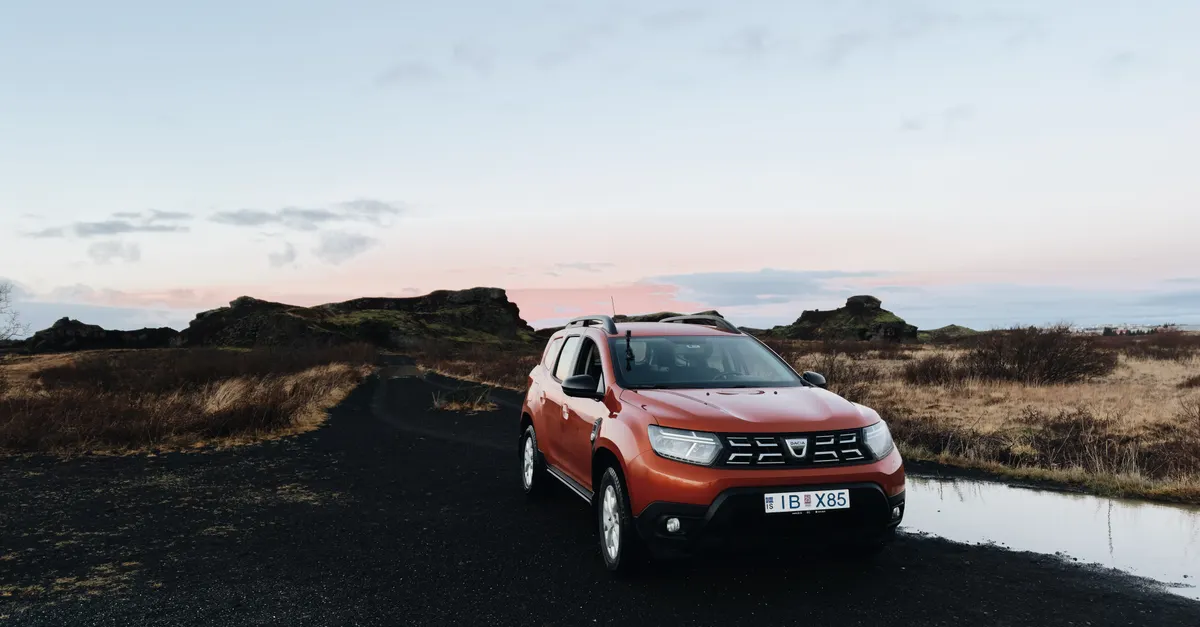
Exploring Iceland by car is one of the most rewarding ways to experience the country’s dramatic landscapes, geothermal wonders, and charming villages. The iceland ring road self drive route offers travelers the freedom to set their own pace, discover hidden gems, and enjoy the ever-changing scenery that makes this Nordic island so unique. Before diving into the details of planning your adventure, consider checking out other travel inspiration, such as the best beaches in Greece for your next summer escape.
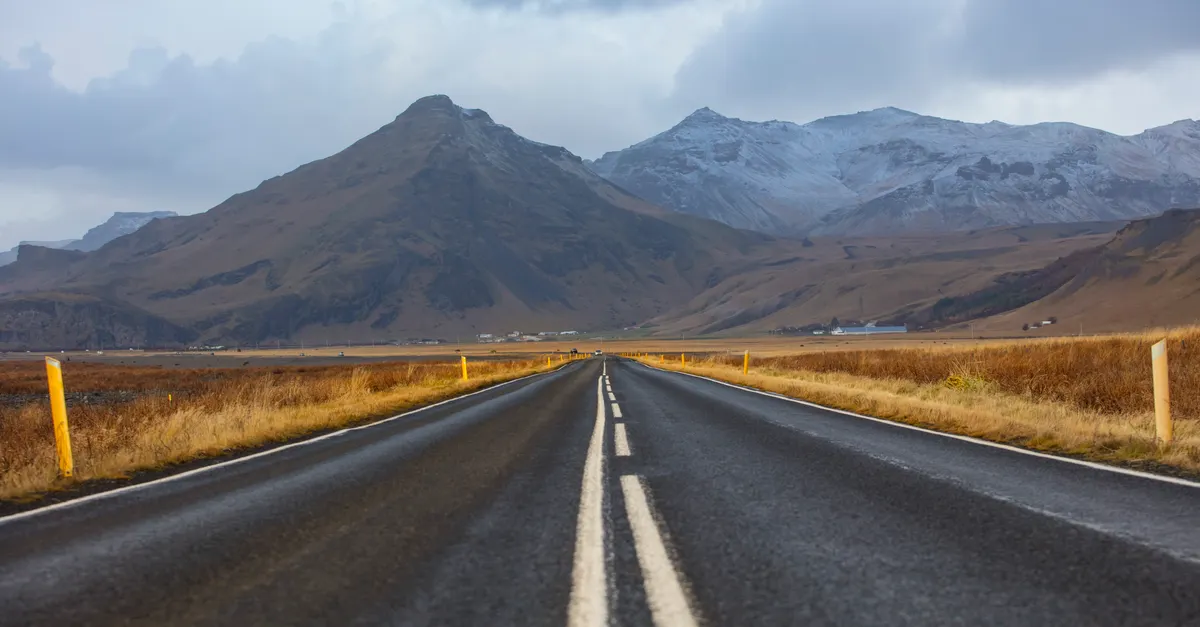
Why Choose a Self-Drive Adventure Around Iceland?
Opting for a self-guided journey around Iceland’s main highway, known as Route 1 or the Ring Road, is ideal for those who value flexibility and independence. Unlike group tours, a self-drive itinerary allows you to linger at waterfalls, detour to black sand beaches, or pause for a spontaneous soak in a hot spring. The iceland ring road self drive route covers approximately 1,332 kilometers (828 miles), looping around the island and connecting most of Iceland’s top attractions.
When to Embark on the Ring Road Journey
Timing your trip is crucial for a safe and enjoyable experience. The best period for a self-drive tour is from late May to early September, when roads are clear of snow and daylight hours are long. During these months, you’ll enjoy the Midnight Sun, lush green landscapes, and accessible highland routes. Winter drives are possible but come with challenging conditions, limited daylight, and potential road closures. Always check weather forecasts and road conditions before setting out.
How Many Days Do You Need for the Full Loop?
While it’s technically possible to drive the entire Ring Road in two days, this would mean missing out on nearly all the sights. A comfortable pace is 7–10 days, allowing time for sightseeing, short hikes, and detours to lesser-known spots. If you have less than a week, consider focusing on either the southern or northern sections, which offer a concentration of highlights.
Essential Planning Tips for the Iceland Ring Road Self Drive Route
Preparation is key to making the most of your journey. Here’s what you need to know before hitting the road:
- Book your rental car early, especially in summer. A 4WD vehicle is recommended for added safety, though the main Ring Road is paved and accessible with a standard car.
- Reserve accommodations in advance. Guesthouses, hotels, and campsites fill up quickly during peak season.
- Download offline maps and navigation apps. Cell service can be spotty in remote areas.
- Pack for all weather conditions. Iceland’s climate is unpredictable, so bring layers, waterproof gear, and sturdy shoes.
- Familiarize yourself with local driving laws, including speed limits, single-lane bridges, and the use of headlights at all times.
Must-See Stops Along the Ring Road
The iceland ring road self drive route is dotted with natural wonders and cultural sites. Here are some of the most memorable stops to include in your itinerary:
South Coast: Waterfalls and Black Sand Beaches
Start your journey from Reykjavik and head east to discover Seljalandsfoss and Skógafoss, two of Iceland’s most iconic waterfalls. Further along, the black sand beaches of Reynisfjara and the basalt columns at Dyrhólaey offer dramatic coastal views. Don’t miss the Fjaðrárgljúfur canyon and the mossy Eldhraun lava fields.
East Fjords: Quiet Villages and Scenic Drives
The eastern section is less visited but no less beautiful. Winding roads reveal fishing villages like Seyðisfjörður, known for its colorful houses and artistic vibe. Keep an eye out for reindeer and enjoy the tranquil fjord scenery.
North Iceland: Whale Watching and Geothermal Wonders
Akureyri, Iceland’s second-largest city, is a great base for exploring the north. Take a detour to Húsavík for whale watching or visit the geothermal area around Lake Mývatn, where bubbling mud pools and volcanic craters await. The Goðafoss waterfall is another highlight in this region.
West Iceland: Snaefellsnes Peninsula and Historical Sites
While not technically on the Ring Road, the Snaefellsnes Peninsula is a worthwhile detour. Known as “Iceland in Miniature,” it features glaciers, lava fields, and the iconic Kirkjufell mountain. In the west, you can also visit the historic settlement of Borgarnes and the Hraunfossar waterfalls.
Suggested Itinerary for the Ultimate Road Trip
Here’s a sample 8-day itinerary to help you plan your adventure:
- Day 1: Reykjavik to Vik – Explore waterfalls and black sand beaches.
- Day 2: Vik to Höfn – Visit Skaftafell National Park and Jökulsárlón Glacier Lagoon.
- Day 3: Höfn to Egilsstaðir – Drive through the East Fjords.
- Day 4: Egilsstaðir to Mývatn – Discover geothermal landscapes and Dettifoss waterfall.
- Day 5: Mývatn to Akureyri – Explore the north’s natural wonders and whale watching.
- Day 6: Akureyri to Borgarnes – Visit Goðafoss and scenic valleys.
- Day 7: Borgarnes to Snaefellsnes Peninsula – Experience “Iceland in Miniature.”
- Day 8: Snaefellsnes Peninsula to Reykjavik – Return to the capital via historical sites.
Tips for Driving Safely in Iceland
Driving in Iceland is generally straightforward, but there are unique challenges to be aware of:
- Weather can change rapidly. Always check conditions before setting out and be prepared to adjust your plans.
- Watch for sheep and wildlife on the road, especially in rural areas.
- Single-lane bridges are common. Yield to oncoming traffic and drive slowly.
- Gravel roads may appear, particularly on detours. Reduce speed and drive carefully.
- Never stop in the middle of the road for photos. Use designated pull-offs for safety.
Budgeting for Your Iceland Road Trip
Iceland is known for its high cost of living, so budgeting is important. Here’s what to expect:
- Car rental: Prices vary by vehicle type and season. Book early for the best rates.
- Fuel: Gasoline is expensive. Plan your fuel stops, especially in remote areas.
- Accommodation: Options range from hostels and guesthouses to hotels and campsites.
- Food: Save money by shopping at grocery stores or preparing simple meals.
- Attractions: Many natural sights are free, but some museums and hot springs charge entry fees.
Packing Essentials for the Ring Road
To ensure a comfortable and safe journey, pack the following:
- Waterproof jacket and pants
- Warm layers (fleece, wool, thermal underwear)
- Sturdy hiking boots
- Reusable water bottle
- Swimsuit for hot springs
- Travel adapter (Iceland uses the Europlug, Type C/F sockets)
- Snacks and a first aid kit
- Camera and binoculars for wildlife spotting
Making the Most of Your Icelandic Adventure
Take your time to enjoy the journey. The iceland ring road self drive route is about more than just ticking off sights—it’s about embracing the unexpected, from sudden rainbows to the thrill of spotting a puffin colony. Respect the environment by sticking to marked paths and leaving no trace. If you have extra time, consider adding a day trip to the Westman Islands or a guided glacier hike to your itinerary.
Frequently Asked Questions
Is it safe to drive the Ring Road in winter?
Driving the Ring Road in winter is possible but comes with risks such as icy roads, snowstorms, and limited daylight. If you’re not experienced with winter driving, it’s best to visit during the warmer months or join a guided tour.
Do I need a 4WD vehicle for the Ring Road?
The main Ring Road is paved and accessible with a standard car. However, a 4WD is recommended if you plan to explore gravel F-roads or visit the highlands, which are only open in summer.
How much does it cost to drive around Iceland?
Costs vary depending on car rental, fuel, accommodation, and activities. On average, budget travelers can expect to spend $150–$250 USD per day, including basic lodging and food. Prices rise for more comfort or guided excursions.
Final Thoughts
Traveling Iceland’s legendary loop by car is an unforgettable experience, offering access to some of the world’s most striking natural wonders. With careful planning, flexibility, and respect for the environment, your journey along this iconic route will be both safe and memorable. For more travel inspiration, explore guides to the best time to visit Bali for good weather or discover hidden gems in southern Italy for your next adventure.