
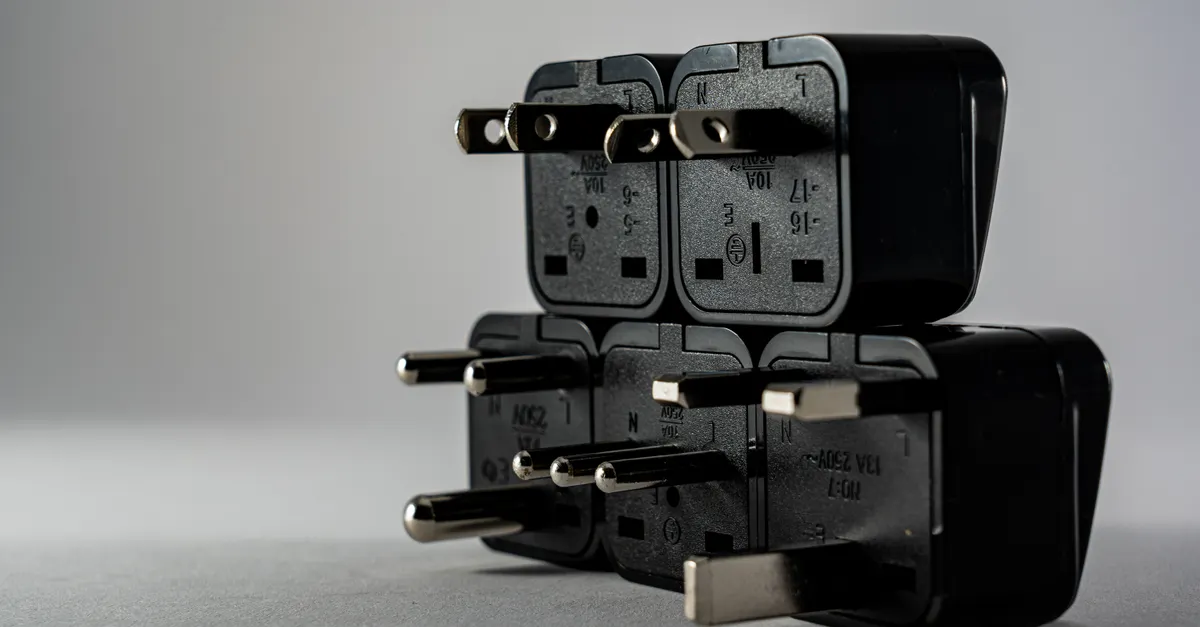
When planning international travel, understanding the differences between a travel adaptor for Europe vs USA is essential for ensuring your electronic devices remain functional and safe. This comparison is crucial for travelers who need to charge their gadgets while abroad, as the electrical systems in Europe and the USA differ significantly. This article will guide you through the key differences, helping you choose the right adaptor for your needs and avoid potential electrical hazards. Whether you’re a seasoned traveler or planning your first trip abroad, knowing the correct adaptor to use can save you from inconvenience and potential damage to your devices. For those interested in more comprehensive options, check out our guide on the travel adaptor for charging laptops.
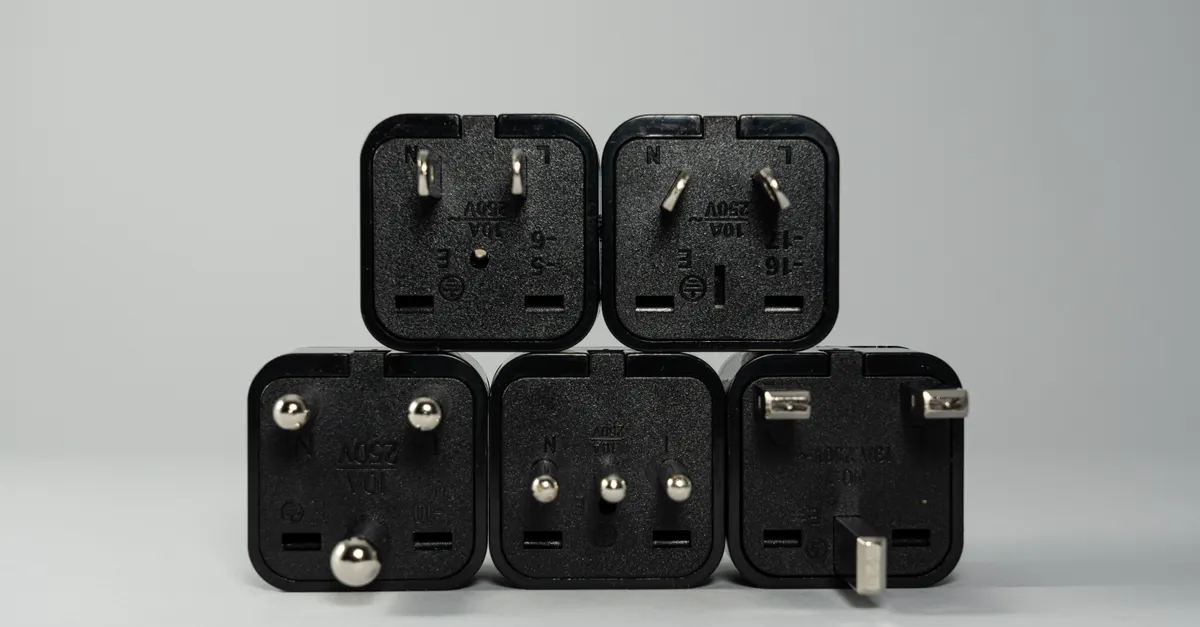
Quick Comparison
| Feature | Europe Travel Adaptor | USA Travel Adaptor |
|---|---|---|
| Plug Types | Type C, E, F, G | Type A, B |
| Voltage | 230 V, 50 Hz | 120 V, 60 Hz |
| Pros | Widely compatible across Europe | Common in North America |
| Cons | Requires voltage converter for non-dual voltage devices | Not compatible with European outlets |
| Ideal Use-Case | Traveling across multiple European countries | Traveling within the USA or Canada |
Choosing the right adaptor is crucial for a hassle-free travel experience. For more travel tips, explore our article on best carry on backpacks for Europe travel.
Understanding Plug Types in Europe and the USA
When traveling between Europe and the USA, understanding the different plug types is essential. Europe primarily uses Type C, E, F, and G plugs, with the Type C plug being the most common, known as the Europlug. However, countries like the UK use the Type G plug, while Italy and Switzerland have their unique requirements. In contrast, the USA uses Type A and B plugs, which are not compatible with European sockets. Therefore, travelers need to ensure they have the appropriate adaptor for their destination, particularly in countries with unique plug types.
Voltage Differences and the Need for Converters
The voltage difference between Europe and the USA is another critical factor to consider. Europe operates on a 230 V, 50 Hz electrical system, whereas the USA uses 120 V, 60 Hz. This discrepancy means that travelers from the USA may need a voltage converter unless their devices are dual voltage. Dual voltage devices can handle both 120 V and 230 V, making them ideal for international travel. It’s important to check your device specifications before traveling to determine if a converter is necessary.
Choosing the Right Travel Adaptor
Selecting the right travel adaptor depends on your travel itinerary and the devices you plan to use. For most European destinations, a US-to-Europe Type C/E/F adaptor will suffice. However, for trips to the UK, Italy, Switzerland, and Denmark, specific adaptors are required. Safety is paramount, so ensure that your adaptor is certified and can handle the voltage of your devices. Avoid using adaptors with frayed wires or loose connections to prevent electrical hazards.
Safety Tips for Using Travel Adaptors
Safety should always be a priority when using travel adaptors. Ensure that your adaptor is in good condition and compatible with the voltage of your devices. Avoid overloading adaptors with multiple devices, as this can lead to overheating and potential fire hazards. Always unplug adaptors when not in use, and never use them in wet environments. If you’re unsure about the compatibility of your devices, consult a professional to avoid any risks.
Head-to-Head Comparison
When comparing travel adaptors for Europe and the USA, several factors come into play. In terms of performance, European adaptors are designed to handle a higher voltage, making them suitable for dual voltage devices. Features such as multiple plug types and USB ports can enhance convenience. Build quality varies, with premium adaptors offering better durability and safety features. Pricing can range from affordable to premium, depending on the features and brand. For durability, look for adaptors with robust construction and safety certifications. Ultimately, the best choice depends on your travel needs and the devices you plan to use.
Which One Should You Choose?
Choosing the right travel adaptor depends on your specific needs and travel plans. If you’re traveling across multiple European countries, a versatile adaptor that supports Type C, E, and F plugs is ideal. For trips to the UK or other countries with unique plug types, ensure you have the correct adaptor to avoid inconvenience. If your devices are not dual voltage, invest in a reliable voltage converter to prevent damage. For those who frequently travel between the USA and Europe, a universal adaptor with multiple plug options and USB ports can provide the flexibility needed for various destinations.

Frequently Asked Questions
- What are the different plug types used in Europe and the USA? Europe uses Type C, E, F, and G plugs, while the USA uses Type A and B plugs.
- Do I need a voltage converter when traveling from the USA to Europe? Yes, unless your devices are dual voltage, a voltage converter is necessary to handle the 230 V supply in Europe.
- Are there any safety concerns when using travel adaptors? Yes, ensure adaptors are in good condition, avoid overloading, and never use them in wet environments to prevent hazards.
Conclusion
Understanding the differences between travel adaptors for Europe and the USA is crucial for any traveler. By knowing the plug types, voltage requirements, and safety precautions, you can ensure a smooth and safe travel experience. Always choose the right adaptor for your destination and device needs to avoid any electrical issues. Proper preparation will not only protect your devices but also enhance your travel experience.