
Traveling often means adapting your daily routines to new environments, and maintaining oral hygiene is no exception. One question that arises for many travelers is whether a toothbrush sanitizer for travel is necessary. With concerns about germs, limited access to clean storage, and varying hotel cleanliness standards, it’s understandable to wonder if investing in a portable sanitizer is worthwhile. This article explores the benefits, effectiveness, and professional perspectives on these devices, as well as practical tips for keeping your toothbrush clean while on the go.
Advantages of Using a Toothbrush Sanitizer While Away from Home
When you’re on the road, your toothbrush is exposed to unfamiliar environments—hotel bathrooms, shared facilities, or even packed in a suitcase next to other items. Using a toothbrush sanitizer for travel can offer several unique benefits:
- Reduces Germ Exposure: Travel exposes your toothbrush to more bacteria than at home, especially if it’s stored in a damp or unclean area. A sanitizer can help minimize this risk.
- Convenient Hygiene Solution: Portable sanitizers are designed for ease of use. Many are compact, lightweight, and battery-powered, making them suitable for travel bags or carry-ons.
- Peace of Mind: Knowing your toothbrush is being sanitized can provide reassurance, especially in places where you’re unsure about water quality or bathroom cleanliness.
- Prevents Cross-Contamination: If you’re sharing a bathroom or traveling with others, a sanitizer helps prevent germs from spreading between toothbrushes.
While these advantages are appealing, it’s important to understand how these devices actually work and what makes them effective.
How Effective Is UV-C Light in Sanitizing Toothbrushes?
Most modern toothbrush sanitizers for travel use UV-C light technology to eliminate germs. UV-C light is a specific wavelength of ultraviolet light that can disrupt the DNA and RNA of bacteria and viruses, rendering them inactive. According to research, UV-C light is effective at killing bacteria and viruses, though effectiveness can vary based on exposure time. This means that while a sanitizer can significantly reduce the microbial load on your toothbrush, the results depend on how long the brush is exposed to the light and the design of the device.
Here are a few points to consider regarding UV-C effectiveness:
- Exposure Time Matters: The longer the toothbrush is exposed to UV-C light, the more effective the germ elimination. Most portable devices are designed to run for a set period, usually a few minutes.
- Coverage and Placement: The bristles must be positioned so the light reaches all surfaces. If the sanitizer’s design doesn’t allow for full exposure, some germs may remain.
- Not a Substitute for Cleaning: UV-C sanitizers reduce germs but do not remove debris or toothpaste residue. Regular rinsing and drying are still necessary.
While UV-C technology is proven to be effective in controlled conditions, real-world results can vary. Still, these devices offer an extra layer of protection, especially when traveling in areas where hygiene is a concern.
Dentists’ Perspectives on Portable Toothbrush Sanitizers
One area where travelers seek clarity is whether dental professionals recommend using a toothbrush sanitizer for travel. While there is broad agreement among dentists that keeping your toothbrush clean is important, most do not consider a sanitizer to be strictly necessary for everyone. Instead, they emphasize basic hygiene practices as the foundation of oral health.
Here’s what dental professionals generally advise:
- Regular Cleaning Is Key: Dentists recommend rinsing your toothbrush thoroughly after each use and allowing it to air dry. This basic step is often sufficient for most travelers.
- Sanitizers as an Extra Measure: For those who are immunocompromised, have specific health concerns, or are traveling to areas with questionable hygiene, a sanitizer can provide additional peace of mind.
- Storage Matters: Keeping your toothbrush in a clean, dry container is more important than relying solely on a sanitizer. Avoid storing brushes in closed, damp cases for long periods, as this can encourage bacterial growth.
- No Universal Endorsement: While some dentists acknowledge the benefits of UV-C sanitizers, there is no widespread endorsement making them a must-have for all travelers. The decision often comes down to personal preference and specific travel circumstances.
Ultimately, dental professionals view portable sanitizers as a helpful tool, especially for those who want an extra layer of protection, but not as a replacement for good hygiene habits.
Practical Tips for Toothbrush Hygiene During Travel
Even without a dedicated sanitizer, you can maintain excellent toothbrush hygiene on the road. Here are some practical, dentist-approved tips:
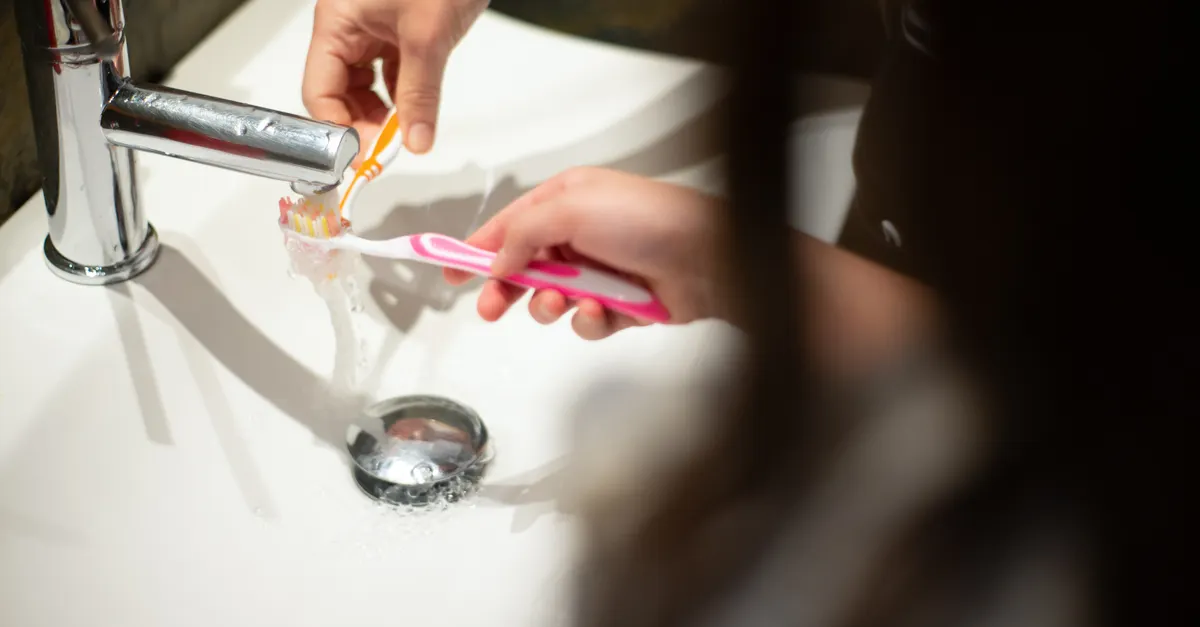
- Rinse Thoroughly: After brushing, rinse your toothbrush with clean water to remove toothpaste and debris.
- Allow to Dry: Store your toothbrush upright and uncovered whenever possible, allowing it to air dry between uses. Moist environments promote bacterial growth.
- Use a Ventilated Case: If you must store your toothbrush in a travel case, choose one with ventilation holes to allow airflow.
- Keep Separate: Avoid letting your toothbrush touch others’ brushes or bathroom surfaces. Use a dedicated holder or keep it in a clean, dry area.
- Replace Regularly: Bring a spare toothbrush and replace your brush every three to four months, or sooner if the bristles become frayed.
If you use an electric toothbrush, consider reviewing electric toothbrush travel features to ensure your device is travel-friendly and easy to keep clean on the go.
What to Look for in a Travel Toothbrush Sanitizer
If you decide that a toothbrush sanitizer for travel is right for you, consider these features to ensure you choose a practical and effective device:
- Portability: Look for a compact, lightweight design that fits easily in your luggage or toiletry bag.
- Power Source: Battery-operated or USB-rechargeable models are ideal for travel, especially if you’ll be away from power outlets.
- Sanitizing Cycle: Check how long the device takes to sanitize and whether it automatically shuts off after a cycle.
- Compatibility: Ensure the sanitizer fits your toothbrush type—manual, electric, or both.
- Ease of Cleaning: The device itself should be easy to wipe down and maintain.
These considerations will help you select a sanitizer that matches your travel habits and hygiene needs.
Conclusion: Is a Portable Toothbrush Sanitizer Necessary for Travel?
Deciding whether to bring a toothbrush sanitizer for travel depends on your personal preferences, health needs, and travel destinations. These devices offer added protection against germs, especially in unfamiliar or shared environments, and can provide peace of mind for those concerned about hygiene. However, most dental professionals agree that regular cleaning, proper storage, and replacing your toothbrush as needed are the most important steps for maintaining oral health on the go. A sanitizer can be a useful addition for some travelers, but it is not an absolute necessity for everyone.
Frequently Asked Questions
Can a travel toothbrush sanitizer completely eliminate all germs?
While a toothbrush sanitizer for travel using UV-C light can significantly reduce bacteria and viruses, it may not eliminate every single germ. Effectiveness depends on exposure time and device design. Regular cleaning and drying remain essential.
Are toothbrush sanitizers safe to use with electric toothbrush heads?
Most portable sanitizers are designed to accommodate both manual and electric toothbrush heads. Always check the product specifications to ensure compatibility with your specific brush model before use.
What are the alternatives to using a sanitizer while traveling?
Simple practices like rinsing your toothbrush thoroughly, allowing it to air dry, and storing it in a ventilated case are effective alternatives. Replacing your toothbrush regularly and keeping it separated from others’ brushes also help maintain hygiene without a dedicated sanitizer.