
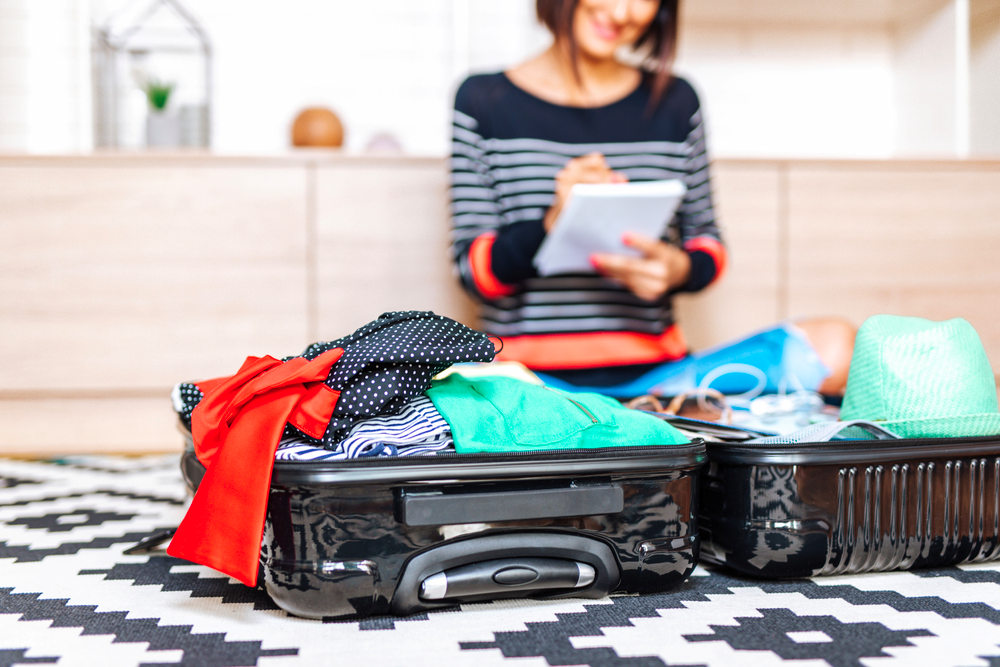
Traveling is a thrilling experience, but it often involves carrying a lot of gear. Whether you’re a seasoned traveler or someone who occasionally embarks on adventures, knowing the tips for storing gear between trips is essential. Proper storage not only keeps your equipment safe but also ensures everything is ready for your next journey.
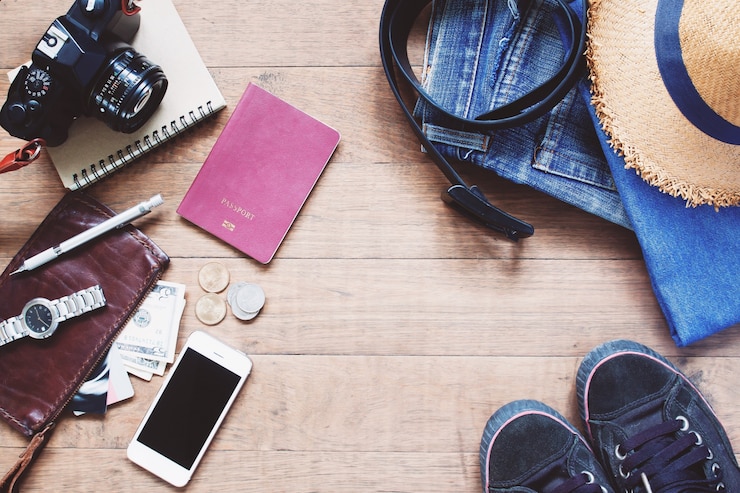
Why Proper Gear Storage Matters
Proper gear storage ensures longevity and readiness for your next adventure. When you store your gear correctly, you protect it from damage, wear, and tear. This is crucial because high-quality travel gear often represents a significant investment.
Preventing Damage
Storing your gear properly helps prevent damage. For instance, keeping backpacks and luggage in a dry, cool place prevents mold and mildew. Similarly, electronic items like cameras and chargers need to be stored in a way that protects them from moisture and dust.
Maintaining Organization
Knowing where everything is stored saves time when preparing for your next trip. Using best pouches and organizers can help keep items in order, making it easier to pack for future travels.
Preparing Your Gear for Storage
Cleaning Your Gear
Before storing, make sure all gear is clean. Dirty gear can lead to unpleasant odors and deterioration over time. Clean your clothes, empty your backpack, and ensure all items are free from dirt.
Conducting a Gear Check
Inspect your gear for any damage. Check for tears or wear in fabrics and ensure zippers and fasteners are working properly. Repair any damage before storing to avoid bigger issues later.
Choosing the Right Storage Solutions
Storage Containers
Invest in quality storage containers that protect your gear from environmental factors. Waterproof and airtight containers are ideal for keeping moisture and pests away.
Using Vacuum Bags
For clothing and soft items, vacuum bags are excellent. They compress items, saving space and keeping them clean and dry.
Specialized Gear Storage
Certain items may require specialized storage solutions. For example, electronics may need padded cases to prevent damage, while sleeping bags might benefit from loose storage to maintain fluffiness.
Storing Different Types of Gear
Backpacks and Luggage
Store these items in a cool, dry place. Keep them empty and partially open to avoid mold and odors.
Clothing and Apparel
Use vacuum bags or airtight containers for clothing. Ensure everything is clean and dry before storage.
Electronics
Store electronics in padded cases and keep them in a dry, dust-free environment. Remove batteries to prevent leaks.
Maintaining Your Gear During Storage
Regular Checks
Periodically check on your stored gear to ensure everything is in good condition. Look for signs of pests, mold, or any other damage.
Climate Control
Consider the storage environment. A climate-controlled area can prevent damage from humidity and temperature fluctuations.
Gear Storage Mistakes to Avoid
Ignoring Cleaning
Never store dirty gear. Always clean items thoroughly before storage to prevent odors and material degradation.
Improper Packing
Don’t overpack storage containers. This can cause damage to your gear and make it harder to retrieve items when needed.
Conclusion
Properly storing your travel gear between trips is essential for maintaining its quality and readiness. By following these tips for storing gear between trips, you can ensure that your equipment remains in great condition, ready for your next adventure. For more insights on gear management, check out this travel gear guide.
FAQ
How often should I check my stored gear?
Regularly, at least once every few months, to ensure no damage has occurred.
Can I store my gear in the attic or basement?
It’s best to avoid these locations if they are prone to temperature and humidity fluctuations.
What’s the best way to store electronics?
Keep them in padded cases, in a dry area, and remove batteries to prevent leaks.
This article contains affiliate links. We may earn a commission at no extra cost to you.