

Traveling alone can be one of the most rewarding and empowering experiences, offering freedom, self-discovery, and the chance to explore the world on your own terms. However, venturing out solo also comes with unique safety considerations that every traveler should take seriously. By preparing in advance and following proven precautionary measures, you can minimize risks and focus on enjoying your journey. This guide shares practical solo travel safety tips to help you stay secure, confident, and ready for adventure wherever you go.
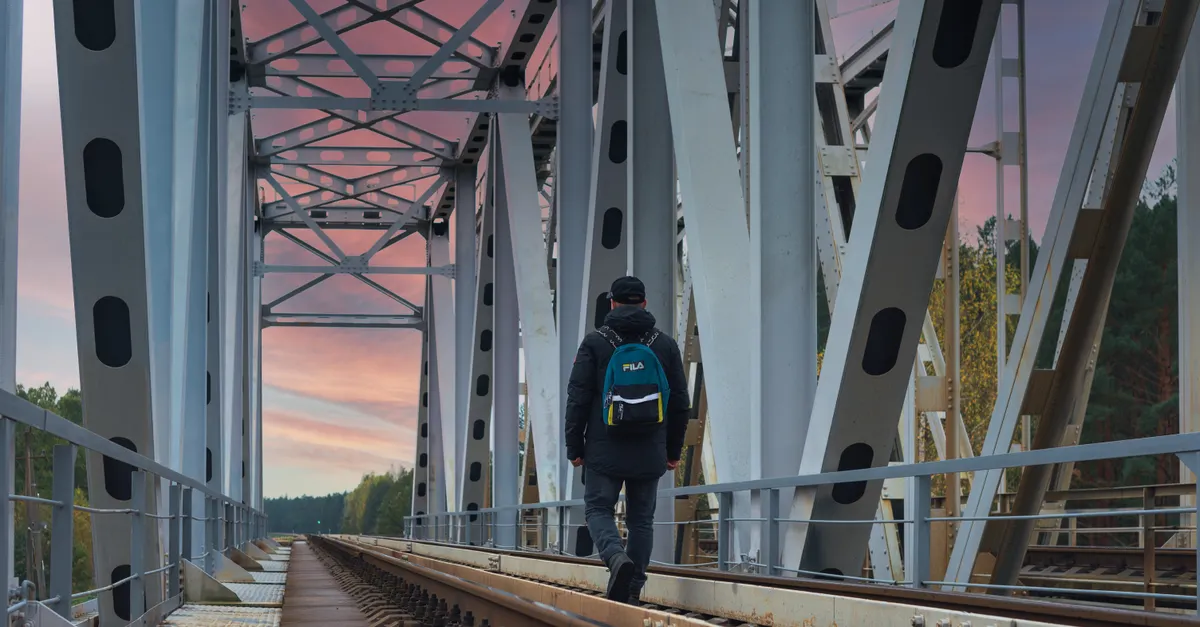
Key Strategies for Staying Safe While Traveling Alone
Whether you’re a seasoned explorer or planning your first solo trip, prioritizing your safety is essential. Here are some effective strategies to help you protect yourself and avoid common pitfalls:
- Research Your Destination: Before departure, learn about local customs, laws, and areas to avoid. Stay updated on travel advisories from official sources.
- Share Your Itinerary: Let trusted friends or family know your travel plans, including accommodation details and daily activities. Regular check-ins can provide peace of mind for both you and your loved ones.
- Pack Smart: Bring only what you need, and keep valuables to a minimum. Use anti-theft bags or money belts to protect important documents and cash.
- Blend In: Dress appropriately for your destination and avoid drawing unnecessary attention. Acting confidently and moving with purpose can deter potential scammers or thieves.
- Trust Your Instincts: If a situation feels off, remove yourself and seek help. Your intuition is a powerful tool for staying safe.
- Limit Alcohol Intake: Enjoy local nightlife responsibly, but avoid excessive drinking, especially when alone. Stay aware of your surroundings at all times.
- Prepare for Emergencies: Know the local emergency numbers and have a plan for reaching authorities or your country’s embassy if needed.
- Secure Your Belongings: Use locks for your luggage and consider portable door alarms for added security in accommodations.
- Stay Connected: Carry a fully charged phone and portable charger. Consider purchasing a local SIM card or international data plan to ensure you can access maps and contact help if necessary.
- Be Cautious When Socializing: Meeting new people is part of the adventure, but always arrange meetups in public places and avoid sharing too much personal information.
Hotel Safety Precautions for Solo Travelers
Where you stay can have a significant impact on your overall safety. Here are some targeted tips to help you feel secure in your accommodation:
- Avoid Ground Floor Rooms: When possible, request a room on a higher floor but not too close to emergency exits. This reduces the risk of unauthorized access from outside or through less-monitored corridors.
- Use ‘Do Not Disturb’ Signs: Placing this sign on your door can give the impression that the room is occupied, deterring unwanted attention from staff or others.
- Check Locks and Security Features: Upon arrival, inspect the door’s lock, deadbolt, and peephole. If anything seems faulty, request a room change or maintenance.
- Keep Valuables Secure: Use the in-room safe for passports, electronics, and other important items. If a safe isn’t available, keep valuables with you or use a portable travel lockbox.
- Don’t Open the Door to Strangers: Always verify the identity of anyone claiming to be hotel staff before allowing them entry. Call the front desk if you’re unsure.
- Familiarize Yourself with Exits: Locate the nearest emergency exits and review evacuation procedures. This knowledge is crucial in case of fire or other emergencies.
These hotel safety measures are especially important for those traveling alone, as they help establish a secure environment and reduce vulnerability to theft or intrusion.
Using Technology to Enhance Solo Travel Safety
Modern technology offers powerful tools to help solo travelers stay safe and connected. Leveraging the right apps and devices can make a significant difference in your security and peace of mind:
- Navigation and Location Sharing: Use GPS apps like Google Maps or Maps.me to navigate unfamiliar areas. Enable real-time location sharing with trusted contacts so someone always knows where you are.
- Emergency Apps: Download personal safety apps such as bSafe, Noonlight, or Red Panic Button. These apps allow you to send alerts, share your location, and quickly contact emergency services if needed.
- Translation Tools: Language barriers can complicate emergencies. Apps like Google Translate can help you communicate with locals or authorities when necessary.
- Travel Insurance Apps: Many insurance providers offer apps that make it easy to access policy details, file claims, or contact support in case of an incident.
- Offline Access: Download maps, emergency contacts, and important documents for offline use. This ensures you have access to critical information even without internet connectivity.
- Portable Security Devices: Consider carrying a portable door alarm, personal safety alarm, or a discreet GPS tracker. These devices can provide an extra layer of security in unfamiliar environments.
- Secure Wi-Fi Practices: Avoid using public Wi-Fi for sensitive transactions. Use a VPN to protect your data and prevent cyber threats while traveling.
By integrating technology into your travel routine, you can proactively address many safety concerns and respond quickly if a problem arises. For more advice on choosing travel-friendly gear, you might find tips on electric toothbrush travel features helpful when packing your essentials.
Emergency Preparedness and Responding to Incidents
No matter how careful you are, emergencies can still occur. Being prepared and knowing how to respond can make all the difference:
- Know Local Emergency Numbers: Research and save the emergency contact numbers for police, ambulance, and fire services in your destination country.
- Register with Your Embassy: Many governments offer registration services for citizens traveling abroad, making it easier to receive assistance during crises.
- Carry Copies of Important Documents: Keep digital and physical copies of your passport, visa, insurance, and emergency contacts in separate locations.
- Have a Communication Plan: Decide in advance how you’ll contact family or friends if your phone is lost or stolen. Consider memorizing key phone numbers.
- Seek Help Promptly: If you feel threatened or experience a crime, contact local authorities immediately. Don’t hesitate to ask hotel staff or bystanders for assistance.
Preparedness is about more than just having a plan—it’s about staying calm, acting quickly, and knowing when to seek professional help.
Special Considerations for Solo Female Travelers
While all solo travelers face risks, women may encounter additional challenges related to personal safety. Here are some extra precautions to consider:
- Choose Accommodations Carefully: Opt for reputable hotels or hostels with strong security reviews. Avoid isolated or poorly lit areas.
- Be Mindful of Local Attitudes: Research cultural norms regarding dress and behavior to avoid unwanted attention.
- Use Female-Only Options: Many cities offer women-only dorms, taxis, or ride-sharing services for added comfort and security.
- Stay Alert in Social Settings: Watch your drinks and avoid accepting food or beverages from strangers. Trust your instincts and leave situations that feel uncomfortable.
Empowerment comes from preparation and awareness. By taking these steps, solo female travelers can reduce risks and enjoy their adventures with greater confidence.
Frequently Asked Questions
What are the most important solo travel safety tips for beginners?
Start by researching your destination, sharing your itinerary with someone you trust, and packing light but smart. Always stay aware of your surroundings, trust your instincts, and use technology to stay connected and informed. Avoid risky areas, especially at night, and keep emergency contacts handy.
How can I protect myself from scams and theft when traveling alone?
Be cautious in crowded places, keep valuables out of sight, and use anti-theft bags. Learn about common scams in your destination before arrival. If approached by strangers offering unsolicited help or deals, politely decline and walk away. Remain vigilant when using ATMs or public transportation.
What should I do if I feel unsafe in my hotel or accommodation?
If you feel uncomfortable, request a room change or speak to hotel management. Use additional security devices like portable door alarms, and always lock your doors and windows. In case of immediate danger, contact local authorities or your embassy for assistance.
Conclusion: Balancing Safety and Adventure
Traveling solo is an incredible opportunity to grow, learn, and experience the world on your own terms. By following these solo travel safety tips—from hotel precautions to leveraging technology and preparing for emergencies—you can minimize risks and focus on making lasting memories. Stay aware, trust your instincts, and don’t hesitate to seek help when needed. With the right preparation, solo travel can be both safe and deeply rewarding.