
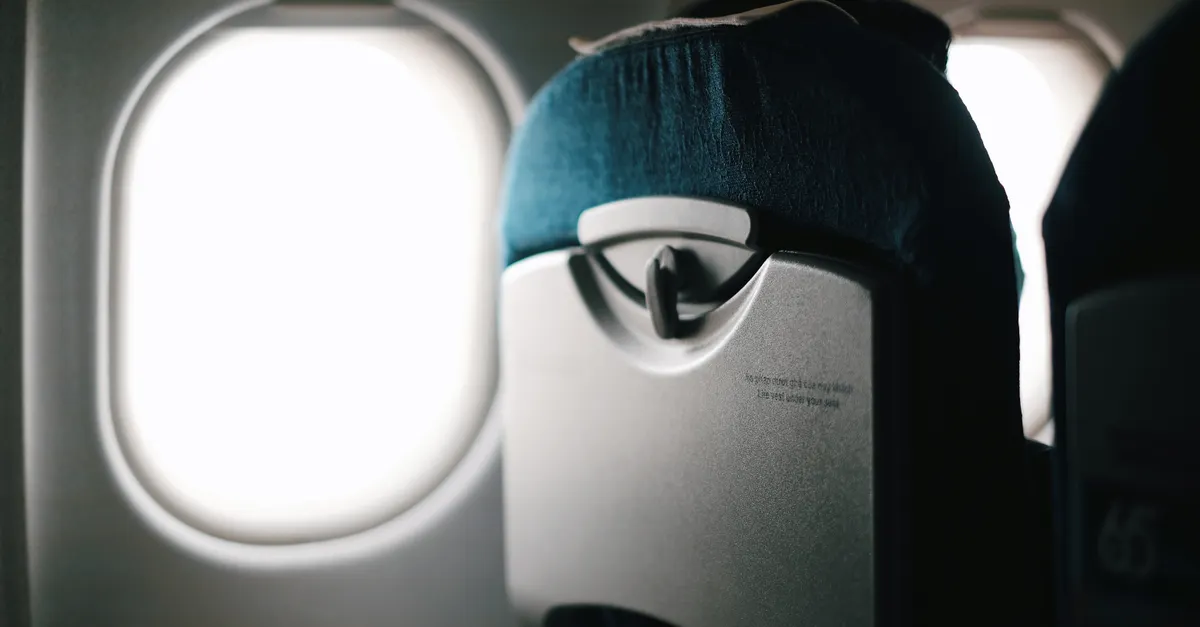
Getting quality rest on a long-haul flight can be a challenge, especially when traveling in economy class. Factors like cramped seating, unfamiliar noises, and changing time zones often make it difficult to relax and fall asleep. However, with the right preparation and strategies, it’s possible to arrive at your destination feeling more refreshed and less fatigued. This guide explores practical methods and tools for how to sleep comfortably on a long flight, focusing on both immediate comfort and smart pre-flight planning.
Preparing for Rest Before Boarding
Setting yourself up for a restful journey starts well before you step onto the plane. One of the most effective ways to improve sleep quality during air travel is to begin adjusting your internal clock to match your destination’s time zone. If possible, shift your bedtime and wake-up time by an hour or two in the days leading up to your flight. This gradual adjustment helps your body adapt and can significantly reduce the effects of jet lag.
Another important step is to plan your meals and caffeine intake. Try to avoid heavy meals and stimulants like coffee or energy drinks in the hours before your flight, as these can disrupt your ability to fall asleep. Instead, opt for light, balanced meals and hydrate well, since airplane cabins are notoriously dry and dehydration can make it harder to rest.
Finally, consider your seat selection. If you have the option, choose a window seat, which allows you to lean against the wall and avoid being disturbed by fellow passengers moving in and out of the row. Some travelers also prefer seats closer to the front of the cabin, where engine noise and foot traffic are typically reduced.
Must-Have Accessories for Better Sleep in the Air
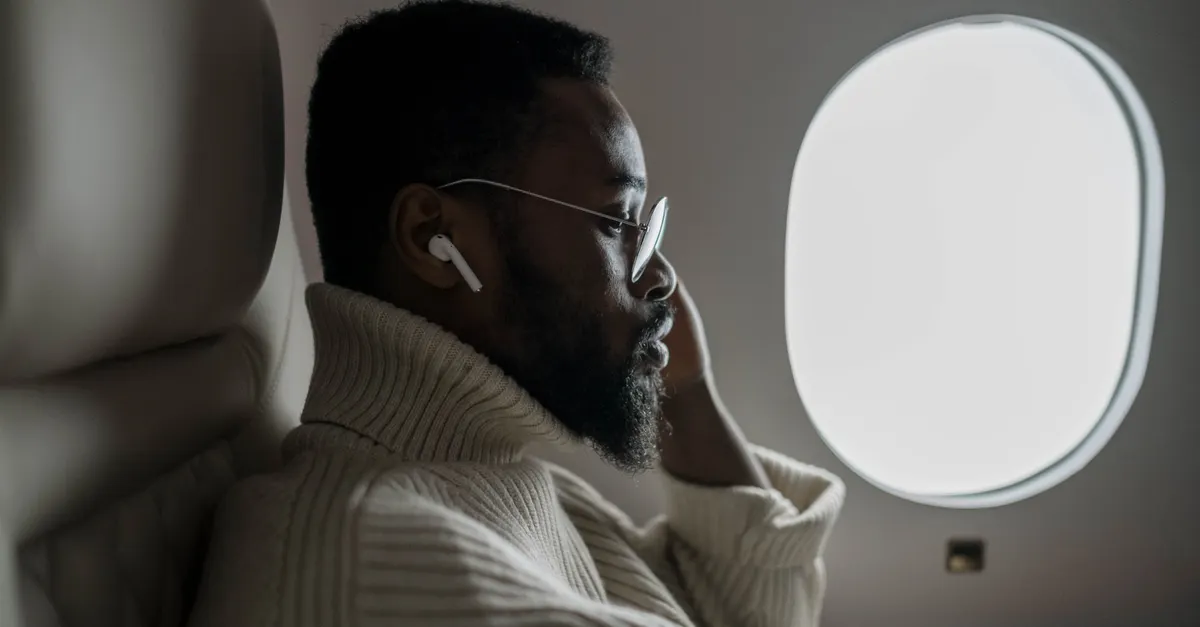
Bringing the right gear can make a significant difference in your ability to sleep on a plane. Among the most effective accessories are noise-canceling headphones, which help block out the constant hum of the engines and chatter from other passengers. According to travel experts, these headphones can dramatically improve sleep quality by reducing ambient noise and creating a more peaceful environment.
A travel pillow is another essential item. U-shaped pillows provide neck support and help prevent your head from falling forward, while inflatable or memory foam options can be adjusted for personal comfort. Pairing your pillow with a soft, compact blanket can help regulate your body temperature, which is important since airplane cabins are often kept cool.
Don’t overlook the benefits of an eye mask to block out cabin lights and screens, as well as earplugs for additional noise reduction. For those looking to take comfort a step further, a foot sling can be a game-changer. This accessory allows you to elevate your feet, reducing pressure on your lower back and legs, and making it easier to find a comfortable sleeping position even in tight quarters.
Finding the Best Sleeping Positions and Techniques
Even with the right accessories, finding a comfortable position in an economy seat can be tricky. The key is to support your body in a way that minimizes strain and allows you to relax. If you’re in a window seat, use the wall as a support for your pillow, and lean slightly to one side. This can help you avoid the awkward head-bobbing that often comes with sleeping upright.
For those in middle or aisle seats, try crossing your arms and resting them on the tray table, using your pillow or a folded blanket for cushioning. Some travelers find it helpful to recline their seat as much as possible (while being considerate of the passenger behind them) and place a rolled-up jacket or small pillow in the small of their back for lumbar support.
Another technique is to use the foot sling mentioned earlier, which allows you to elevate your legs and reduce swelling. If a foot sling isn’t available, placing your feet on your carry-on bag under the seat in front of you can provide similar relief. Remember to stretch and shift positions periodically to promote circulation and avoid stiffness.
Managing Noise, Light, and In-Flight Distractions
Disruptions from cabin announcements, conversations, and overhead lights can make it difficult to fall asleep. To create a more restful environment, combine noise-canceling headphones or earplugs with an eye mask. Many travelers find that listening to calming music, white noise, or guided meditations can help drown out distractions and signal to your brain that it’s time to rest.
If your airline offers in-flight entertainment, consider setting a sleep timer on your device so that it turns off after a set period. This prevents screens from disturbing your sleep cycle. Also, let flight attendants know if you do not wish to be disturbed during meal service or beverage rounds, as this can help you maximize your rest time.
Hydration, Diet, and Health Considerations
Staying hydrated is crucial when flying, as dry cabin air can lead to dehydration, headaches, and discomfort. Drink water regularly throughout the flight, but avoid excessive consumption right before you plan to sleep to minimize trips to the restroom. Limit alcohol and caffeine, as both can interfere with your ability to fall and stay asleep.
It’s also wise to practice good sleep hygiene by maintaining a consistent routine. Bring familiar items from home, such as a favorite scarf or a small bottle of lavender essential oil, to help signal to your body that it’s time to wind down. If you have any medical conditions or take medications that affect sleep, consult your healthcare provider before your trip for personalized advice.
Adjusting to New Time Zones and Minimizing Jet Lag
One of the biggest challenges of long-haul air travel is dealing with jet lag. To minimize its effects, start shifting your schedule toward your destination’s time zone a few days before departure. This means adjusting your sleep and meal times incrementally to better align with your new location.
Once on board, set your watch or phone to the destination’s local time. Try to sleep or stay awake according to that schedule, even if it feels unnatural at first. Exposure to natural light upon arrival can also help reset your internal clock. Spend time outdoors during daylight hours and avoid napping for long periods once you land, as this can prolong the adjustment period.
These strategies, combined with the comfort tips discussed earlier, can help you arrive feeling more rested and ready to enjoy your trip.

Frequently Asked Questions
What is the best seat for sleeping on a plane?
Many travelers find that a window seat is best for sleeping, as it provides a surface to lean against and reduces disturbances from other passengers. Seats near the front of the cabin are also quieter and experience less foot traffic.
How can I reduce noise and light while trying to sleep?
Using noise-canceling headphones or earplugs can significantly reduce ambient noise, while an eye mask will block out cabin lights and screens. Combining these accessories creates a more restful environment for sleep.
What should I do if I can’t fall asleep during the flight?
If you’re struggling to sleep, try relaxation techniques such as deep breathing, progressive muscle relaxation, or listening to calming music. Avoid looking at screens, and give yourself time to unwind. Staying hydrated and comfortable will also help you rest, even if you don’t fall asleep right away.
Final Thoughts on Improving In-Flight Rest
Getting quality sleep on a long flight is possible with the right preparation and tools. By adjusting your schedule to your destination’s time zone, bringing essential accessories like noise-canceling headphones and a travel pillow, and practicing good sleep hygiene, you can make your journey more comfortable and arrive feeling refreshed. Remember, small adjustments before and during your flight can make a significant difference in how you feel when you land. For more travel wellness tips, explore our other articles on staying healthy and comfortable during your journeys.