
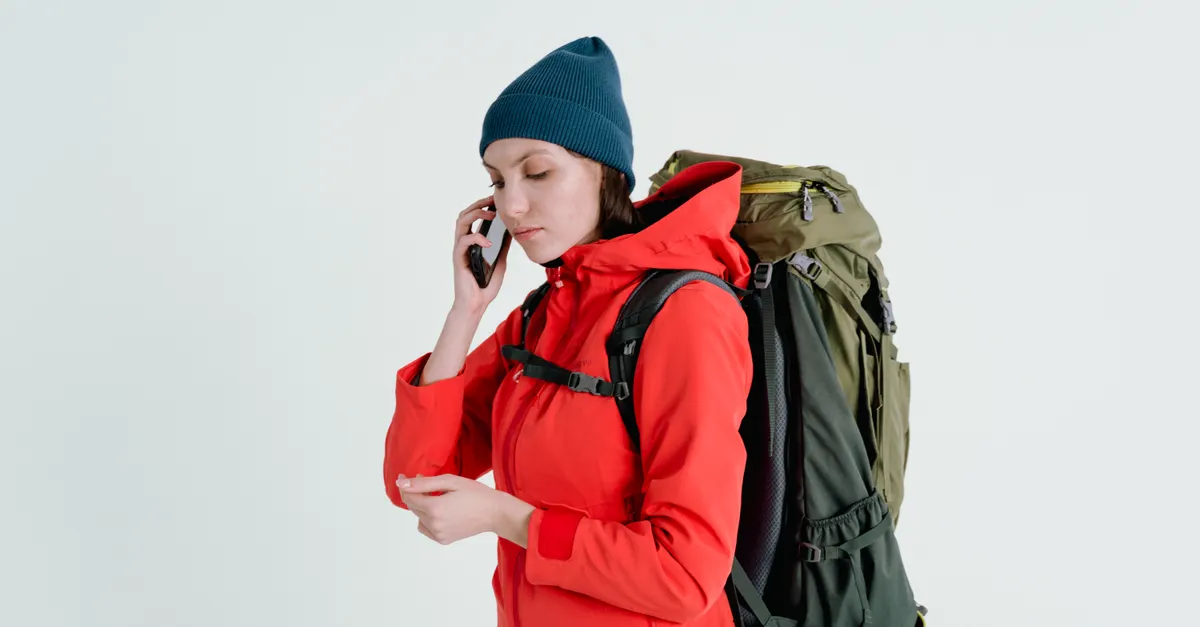
Travelers who rely on a multi-functional travel jacket know that its versatility is a game-changer, but packing it efficiently can be a challenge—especially when space is limited and you want to keep your jacket in top shape. Whether your jacket is loaded with pockets, features a hood, or is made from technical materials, learning the right packing techniques helps you maximize luggage space, minimize wrinkles, and ensure your jacket is ready to perform as soon as you arrive at your destination.
Understanding the Benefits of Multi-Functional Travel Jackets
Modern travel jackets are designed to do more than just keep you warm. They often combine weather resistance, security features, and clever storage solutions, making them an essential item for frequent travelers. A multi-functional travel jacket might include hidden pockets for valuables, built-in neck pillows, removable sleeves, or even integrated eye masks. These features make them ideal for urban explorers and adventure seekers alike.
Packing efficiency is especially important for these jackets because their added features can make them bulkier or more prone to wrinkling if not packed thoughtfully. A well-packed jacket not only saves valuable space in your bag but also ensures that all its functions—like easy-access pockets or a stowable hood—remain usable and intact when you need them.
Key Features That Affect Packing
Before diving into folding and packing methods, it’s important to consider the specific features of your travel jacket. The following aspects can influence how you should pack it:
- Multiple Pockets: Extra pockets add utility but can create uneven bulk if not emptied and flattened before packing.
- Hoods: Some hoods are detachable or stowable, while others are fixed. The way you handle the hood can impact the jacket’s packed size and shape.
- Technical Materials: Lightweight, compressible fabrics (like those used in the Patagonia Nano Puff) are easier to pack tightly, while heavier or stiffer materials may require gentler folding to avoid creasing.
- Integrated Accessories: Features like built-in eye masks or neck pillows should be considered when folding to avoid damage or awkward bulges.
Understanding these features helps you choose the most effective packing method and ensures your jacket’s unique benefits are preserved during transit.
Efficient Packing Techniques for Travel Jackets
There are several proven techniques for packing travel jackets to save space and reduce wrinkles. The method you choose may depend on your jacket’s material and features, as well as your luggage type.
Classic Folding Method
This method works well for most jackets, especially those with minimal bulk:
- Lay the jacket face down on a flat surface.
- Fold the sleeves inward across the back, smoothing out any wrinkles.
- Fold the jacket in half vertically, bringing one side over the other.
- Fold from the bottom up, creating a compact rectangle.
This approach minimizes creasing and keeps the jacket flat, making it easy to slide into a suitcase or backpack.
Rolling Technique
Rolling is ideal for jackets made from lightweight, compressible materials. For example, the Patagonia Nano Puff is known for its ability to be packed down to a very small size, even fitting into its own pocket. To roll your jacket:
- Zip up all zippers and fasten any buttons or snaps.
- Lay the jacket flat and fold the sleeves inward.
- Starting from the bottom, tightly roll the jacket upward, pressing out air as you go.
- If your jacket has a stuff sack or a pocket designed for self-storage, tuck the rolled jacket inside for extra protection.
Rolling helps prevent deep creases and is especially effective for synthetic or down jackets.
Bundle Wrapping
This technique is useful if you’re packing several clothing items together. The jacket is wrapped around softer items, which helps cushion it and reduce wrinkles:
- Place small, soft clothing items (like t-shirts or underwear) in the center of the jacket.
- Fold the sleeves and sides of the jacket over the bundle, creating a compact package.
- Secure the bundle with an elastic band or by tucking in loose fabric.
Bundle wrapping is particularly helpful for jackets that are prone to wrinkling or have delicate finishes.
Special Strategies for Jackets with Multiple Pockets and Hoods
Jackets with lots of pockets and hoods offer extra convenience but can be trickier to pack efficiently. Here’s how to address these challenges:
Managing Multiple Pockets
- Empty All Pockets: Remove items from every pocket to prevent bulges and avoid damaging zippers or seams.
- Flatten and Secure: Smooth out the fabric around each pocket. If possible, fasten the pocket closures to keep them flat.
- Distribute Bulk Evenly: If you must keep small items in pockets (like a boarding pass or face mask), distribute them evenly to avoid lopsided packing.
Packing Hooded Jackets
- Stow or Fold the Hood: If your jacket has a stowable hood, tuck it away before folding. For fixed hoods, fold them flat against the back of the jacket.
- Use the Hood as a Pouch: Some jackets allow you to stuff the entire garment into the hood, creating a compact bundle. This is especially useful for lightweight, compressible jackets.
- Avoid Tight Rolling: For jackets with stiff or structured hoods, avoid rolling too tightly to prevent misshaping the hood.
Combining Features
When your jacket has both multiple pockets and a hood, start by addressing the pockets, then handle the hood last. This sequence ensures the jacket lays as flat as possible before you deal with the extra bulk of the hood.
Space-Saving Tips for Carry-On Travelers
Efficient packing is crucial for those who travel with only a carry-on. Here are some additional tips to maximize your space:
- Use Packing Cubes: Packing cubes help compress your jacket and keep it separate from other items. For more on this, see our guide to the best packing cubes for international travel.
- Wear Your Jacket in Transit: If space is extremely tight, wear your jacket through security and on the plane, then stow it in the overhead bin or under your seat.
- Layer Strategically: If your jacket is lightweight, consider layering it over other clothing to save space in your bag.
Comparing Packing Methods for Different Jacket Types
The best packing method can vary depending on the type of jacket you have:
- Down or Synthetic Puffers: These are highly compressible and can be rolled or stuffed into a pocket or sack.
- Softshells or Rain Jackets: Folding or rolling works well, but avoid over-compressing to maintain waterproofing and breathability.
- Jackets with Rigid Features: Use gentle folding and avoid tight rolls to preserve structure and avoid damage.
Experiment with different techniques to see which works best for your specific jacket and travel style.
Conclusion: Packing Travel Jackets Like a Pro
Mastering how to pack a multi-functional travel jacket comes down to understanding your jacket’s unique features and choosing the right technique for your needs. By emptying pockets, managing hoods, and selecting the best folding or rolling method, you’ll save space, reduce wrinkles, and keep your jacket ready for action. Efficient packing not only protects your gear but also streamlines your travel experience, letting you focus on the adventure ahead.
Frequently Asked Questions
What is the best way to pack a travel jacket with many pockets?
Start by emptying all pockets and fastening closures. Lay the jacket flat, smooth out the fabric, and fold or roll as needed. This prevents bulk and ensures the jacket packs down evenly.
How can I avoid wrinkles when packing my jacket?
Use gentle folding or rolling techniques, and avoid over-compressing the jacket. Packing around softer items or using a packing cube can also help minimize creasing.
Should I pack my jacket in a packing cube?
Packing cubes are a great option for compressing jackets and keeping them organized. They work especially well for lightweight or compressible jackets, helping you maximize space and keep your bag tidy.