
For travelers seeking more than just sunbathing and sandcastles, some coastal destinations offer a window into the mesmerizing world beneath the waves. Exploring the best beaches for marine life allows you to witness vibrant coral reefs, swim alongside sea turtles, and encounter an astonishing variety of ocean creatures. Whether you’re a passionate snorkeler, a scuba enthusiast, or simply curious about what lies below the surface, these coastal gems promise unforgettable underwater experiences.
Before planning your next seaside adventure, it’s helpful to consider not just the beauty of the shoreline, but also the richness of the ecosystems offshore. Many of these locations are protected areas, ensuring that marine habitats thrive and that visitors can enjoy responsible wildlife encounters. If you’re looking for more unique coastal getaways, you might also enjoy our guide to beach glamping destinations for a blend of comfort and adventure.
Why Choose Beaches Renowned for Marine Biodiversity?
Visiting coastal areas known for their abundant sea life offers more than just scenic views. These destinations provide a chance to observe nature’s wonders up close, from schools of colorful fish to gentle manatees and playful dolphins. Many of the best beaches for marine life are located within marine reserves or national parks, which help protect fragile habitats and ensure that future generations can enjoy these natural treasures.
Choosing such locations also supports local conservation efforts. Many communities rely on eco-tourism to fund reef restoration, wildlife monitoring, and educational programs. By visiting responsibly, travelers can contribute to the ongoing protection of these precious environments.
Top Destinations for Underwater Exploration
Across the globe, certain beaches stand out for their exceptional opportunities to observe and interact with marine creatures. Here are some of the most remarkable spots where you can immerse yourself in the wonders of the underwater world.
Dry Tortugas National Park, Florida, USA
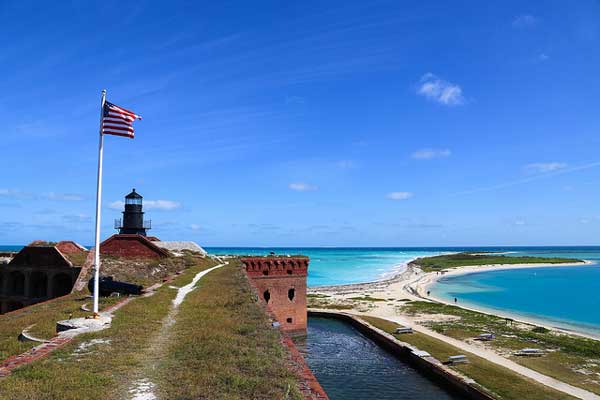
Located about 70 miles west of Key West, Dry Tortugas National Park is a remote paradise accessible only by boat or seaplane. Its crystal-clear waters are home to vibrant coral reefs, loggerhead turtles, nurse sharks, and countless tropical fish. The park’s isolation has helped preserve its pristine condition, making it a favorite for snorkelers and divers seeking encounters with rare and beautiful sea life.
Outer Banks, North Carolina, USA
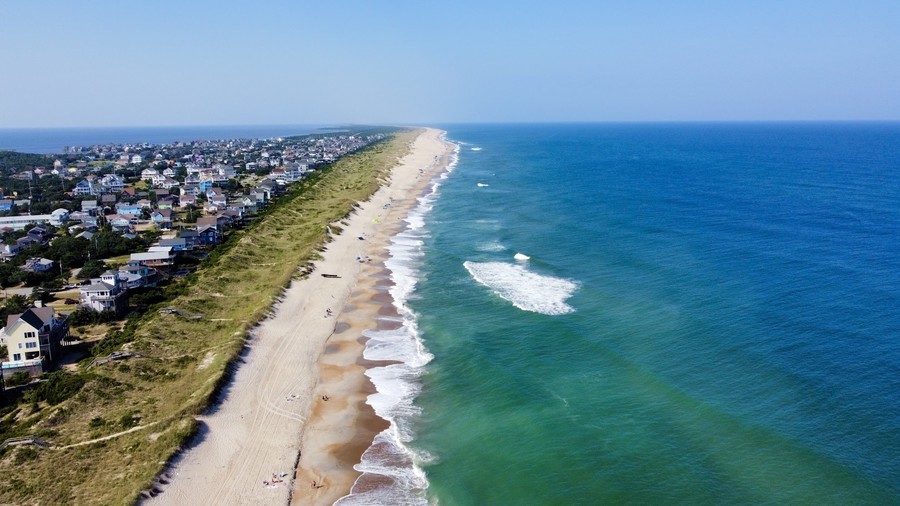
The Outer Banks offer more than just picturesque dunes and historic lighthouses. This stretch of barrier islands is a hotspot for observing dolphins, sea turtles, and even the occasional seal. The region’s shallow waters and gentle surf make it ideal for families and beginners eager to spot marine creatures without venturing far from shore. Several local outfitters offer eco-friendly tours and snorkeling excursions to maximize your chances of memorable wildlife sightings.
Maldives: Coral Reefs and Whale Sharks

The Maldives is synonymous with turquoise lagoons and powdery white sand, but its true magic lies beneath the surface. The islands are surrounded by some of the world’s healthiest coral reefs, teeming with parrotfish, rays, and sea turtles. Lucky visitors may even spot majestic whale sharks—the largest fish in the ocean—gliding through the atolls. Many resorts offer guided snorkeling and diving trips, making it easy to access these underwater wonders.
What to Expect When Visiting Marine Hotspots
Each destination offers a unique set of experiences, but there are some common themes to keep in mind when planning a trip focused on aquatic wildlife:
- Snorkeling and Diving: Most of these locations provide easy access to reefs and shallow waters, perfect for both beginners and experienced divers.
- Wildlife Encounters: Depending on the season, you might see nesting sea turtles, migrating whales, or playful dolphins. Always observe from a respectful distance to avoid disturbing the animals.
- Conservation Efforts: Many beaches are part of protected areas. Follow local guidelines, avoid touching coral, and never remove shells or marine life from their habitat.
- Guided Tours: Consider joining a certified eco-tour or snorkeling excursion to learn more about the local ecosystem and maximize your chances of seeing rare species.
Planning Your Trip to the Top Beaches for Marine Encounters
When preparing for a journey focused on underwater exploration, a bit of planning goes a long way. Here are some practical tips to help you make the most of your adventure:
- Research the Best Time to Visit: Wildlife activity often varies by season. For example, sea turtles may nest in summer, while whale sharks are more common in certain months.
- Pack the Right Gear: Bring a well-fitting mask, snorkel, and fins. Consider a rash guard or wetsuit for sun protection and comfort.
- Respect Local Regulations: Many areas have rules to protect marine habitats. Always follow posted guidelines and listen to local experts.
- Support Sustainable Tourism: Choose operators and accommodations that prioritize conservation and responsible wildlife viewing.
If you’re new to seaside adventures, our beach travel guide for first timers offers helpful advice on planning, packing, and making the most of your trip.
Other Noteworthy Coastal Destinations for Sea Life
While the locations above are among the most celebrated, there are many other beaches around the world where marine biodiversity thrives. Australia’s Great Barrier Reef, the Galápagos Islands, and Bonaire in the Caribbean are all renowned for their underwater spectacles. Each offers a unique blend of habitats and species, from vibrant coral gardens to volcanic rock formations teeming with life.
For more inspiration on tranquil getaways, check out our list of most peaceful beach destinations—some of which also offer excellent opportunities for observing sea creatures in their natural environment.
Responsible Travel: Protecting Marine Ecosystems
Enjoying the best beaches for marine life comes with a responsibility to minimize your impact. Here are a few simple ways to help preserve these fragile environments:
- Use reef-safe sunscreen to avoid harming coral and aquatic life.
- Never touch or stand on coral reefs, as even slight contact can cause lasting damage.
- Dispose of trash properly and participate in beach cleanups when possible.
- Support local conservation initiatives and choose eco-certified tour operators.
For more ideas on affordable and sustainable travel, our guide on how to save money on beach vacations offers practical tips for eco-conscious explorers.
Further Reading and Resources
If you’re eager to discover more about the world’s most stunning coastal habitats, the team at International Traveller’s beach inspiration hub has curated guides and tips for every type of ocean lover. From hidden coves to world-famous reefs, there’s a destination for every interest and skill level.
For those who prefer a cozy retreat after a day of snorkeling, our collection of beach cabin vacation ideas offers options for a relaxing stay close to nature.
Frequently Asked Questions
What should I pack for a trip focused on marine wildlife?
Bring a comfortable mask, snorkel, and fins, as well as a rash guard or wetsuit for sun and jellyfish protection. Reef-safe sunscreen, a waterproof camera, and a reusable water bottle are also recommended.
Are there any safety tips for swimming near marine animals?
Always maintain a respectful distance from wildlife, avoid sudden movements, and never attempt to touch or feed animals. Pay attention to local safety guidelines, currents, and weather conditions before entering the water.
How can I help protect marine environments while visiting?
Use environmentally friendly products, avoid disturbing habitats, and participate in conservation activities when possible. Choosing responsible tour operators and following local regulations also helps safeguard these precious ecosystems for future generations.