
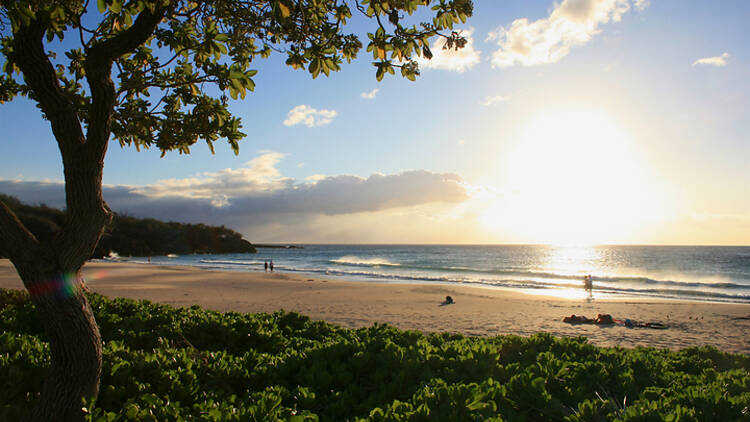
For photographers, both amateur and professional, the coastline offers an endless canvas of inspiration. From golden sunrises and dramatic cliffs to turquoise waters and vibrant local life, the best beach destinations for photography deliver a wealth of opportunities to capture breathtaking images. Whether you’re seeking iconic landscapes, unique wildlife, or simply a place where the light plays perfectly on the sand, this guide will help you discover top spots around the world to elevate your portfolio.
Before diving into the most photogenic shores, consider planning your trip with helpful resources like road trip beach vacation ideas to maximize your coastal adventure. With the right preparation, you’ll be ready to explore and photograph some of the world’s most stunning beaches.
Why Beaches Are a Paradise for Photographers
Coastal locations offer a dynamic range of subjects, from serene seascapes to bustling boardwalks. The interplay of natural light, especially during golden hour, enhances textures and colors, making every shot unique. Beaches also provide a variety of compositions—think reflections in wet sand, silhouettes against the sunset, and intricate patterns created by waves and wind. For those passionate about capturing the essence of a place, these environments are unmatched.
Top Coastal Locations for Capturing Breathtaking Images
Let’s explore some of the world’s most photogenic shores, each offering its own distinctive charm and photographic potential. These locations are celebrated for their beauty, diversity, and the creative inspiration they provide to visitors with a camera in hand.
1. Whitehaven Beach, Australia: Pristine Sands and Turquoise Waters
Located in the heart of the Whitsunday Islands, Whitehaven Beach is renowned for its powdery white silica sand and crystal-clear blue waters. The swirling patterns seen from Hill Inlet Lookout are a favorite among landscape photographers. Early mornings or late afternoons provide the best light, and drone photography is especially popular here for capturing the mesmerizing sand and sea formations.
2. Reynisfjara, Iceland: Dramatic Black Sands and Basalt Columns
For those seeking something out of the ordinary, Reynisfjara’s black volcanic sand and striking basalt columns create a moody, otherworldly atmosphere. The contrast between the dark beach, white waves, and often overcast skies makes for powerful compositions. Photographers should be mindful of strong waves and changing weather, but the rewards are well worth the effort.
3. Anse Source d’Argent, Seychelles: Iconic Granite Boulders
This beach is famous for its smooth granite boulders, shallow turquoise waters, and lush palm trees. The interplay of light and shadow on the rocks, especially during sunrise and sunset, provides endless creative possibilities. The calm, shallow waters also make underwater and split-level shots accessible for those with waterproof gear.
Best Times and Techniques for Coastal Photography
Timing is everything when it comes to shooting at the coast. The golden hour—shortly after sunrise or before sunset—offers soft, warm light that enhances colors and reduces harsh shadows. Blue hour, just before sunrise or after sunset, can add a dreamy, ethereal quality to your images. For action shots, midday light can work well, especially for capturing vibrant beach life or water sports.
Consider using a tripod for long exposures to smooth out waves or capture dramatic skies. Polarizing filters can help reduce glare and deepen the blues of the water and sky. Don’t forget to protect your gear from sand and salt spray, and always be aware of the tides to avoid accidents or missed opportunities.

Hidden Gems: Lesser-Known Shores for Unique Photos
While world-famous beaches attract many photographers, some of the most rewarding shots come from lesser-known locations. Consider exploring:
- Playa de las Catedrales, Spain – Known for its natural rock arches and caves, best photographed at low tide.
- Navagio Beach, Greece – The iconic shipwreck and sheer cliffs create dramatic aerial and ground-level shots.
- Praia Dona Ana, Portugal – Vibrant rock formations and golden sand offer a colorful palette for creative compositions.
These hidden gems provide fresh perspectives and are often less crowded, allowing for more relaxed and creative sessions.
Tips for Planning Your Photographic Beach Adventure
To make the most of your trip, research the best seasons for weather and light, and consider local regulations regarding drones or protected areas. Booking accommodations near the shore can help you catch early morning or late evening light with ease. For those interested in luxury or family-friendly stays, check out the best family beach resorts for a comfortable base close to the action.
Don’t forget to pack essentials: extra batteries, lens cloths, weather protection for your camera, and a lightweight tripod. If you’re looking for more advice on accommodations, beach resort booking tips can help you find the perfect place to stay.
Chasing the Perfect Sunset and Golden Hour
Sunsets and sunrises are among the most sought-after moments for coastal photography. The changing colors, reflections on the water, and silhouettes of people or natural features create unforgettable images. For inspiration on where to find the most beautiful evening skies, explore guides like best beach sunsets in the world to plan your next shoot.
Experiment with different focal lengths and compositions—wide shots to capture the full scene, or zoom in for intimate details like waves lapping at the shore or birds flying across the horizon. Remember, patience is key; sometimes the best light appears just after the sun dips below the horizon.
Making the Most of Your Coastal Experience
Beyond the technical aspects, the true joy of photographing beaches comes from immersing yourself in the environment. Take time to observe how the light changes, interact with locals, and seek out unique stories or details that set each location apart. Whether you’re capturing the vibrant energy of a bustling boardwalk or the quiet solitude of a hidden cove, every image tells a story.
For those seeking tranquility, consider destinations highlighted in resources like best beach resorts for relaxation to unwind after a day of shooting. Combining relaxation with creativity can lead to some of your most memorable and inspired work.
FAQ
What gear is essential for photographing beaches?
At a minimum, bring a camera with manual settings, a sturdy tripod, and a polarizing filter. Extra batteries, lens cloths, and protective gear for sand and water are also recommended. For advanced shots, consider a drone (where permitted) and waterproof housing for underwater photography.
How can I protect my camera equipment at the beach?
Keep your gear in a sealed bag when not in use, use lens hoods to shield from spray, and clean your equipment regularly to remove sand and salt. Avoid changing lenses in windy or sandy conditions, and always check the tide schedule to prevent unexpected splashes.
What are the best times of day for beach photography?
The golden hour—shortly after sunrise or before sunset—offers the most flattering light for landscapes and portraits. Blue hour, just before sunrise or after sunset, provides a soft, cool glow. Midday can be harsh, but it’s good for capturing vibrant scenes and action shots.