
Capturing the essence of a seaside escape can be both rewarding and challenging. Whether you’re using a smartphone or a DSLR, knowing how to make the most of your surroundings is key to taking memorable images. With the right approach, you can return home with a collection of photos that truly reflect the beauty and atmosphere of your trip. In this guide, you’ll find practical beach vacation photography tips to help you achieve vibrant, professional-looking results—no matter your skill level.
Before diving into techniques, consider planning your trip to maximize photographic opportunities. For those seeking unique accommodations, exploring beach glamping destinations can offer both comfort and scenic backdrops, perfect for creative photography.

Best Times and Lighting for Coastal Photography
Light plays a crucial role in any type of photography, but it’s especially important when shooting by the sea. The sun’s position can dramatically change the mood and quality of your images. Early mornings and late afternoons—often referred to as the “golden hours”—offer soft, warm light that flatters both landscapes and portraits. At midday, sunlight is harsh and can cause strong shadows, but it can also create dramatic contrasts if used intentionally.
For those who want to capture tranquil scenes, sunrise is ideal. The beaches are less crowded, and the gentle light brings out pastel tones in the sky and water. Sunset, on the other hand, provides opportunities for silhouettes and vibrant colors. If you’re aiming for action shots or want to highlight textures in the sand and waves, try shooting when the sun is lower in the sky.
Essential Gear and Preparation for Beach Shoots
While you don’t need expensive equipment to take great photos, a few items can make a big difference. Here are some essentials to consider for your next coastal adventure:
- Lens cloth and cleaning kit: Sand and salt spray can quickly smudge your lens. Keep a microfiber cloth handy to wipe away debris.
- Polarizing filter: This accessory reduces glare from water and enhances the blue of the sky, making your images pop.
- Waterproof bag or case: Protect your camera or phone from splashes and sudden rain showers.
- Extra batteries and memory cards: The beach is full of photo opportunities, so be prepared for a full day of shooting.
Don’t forget to check the weather forecast and tide times before heading out. Overcast days can actually be great for portraits, as clouds act like a natural diffuser, softening harsh sunlight.
Creative Composition: Framing and Perspective
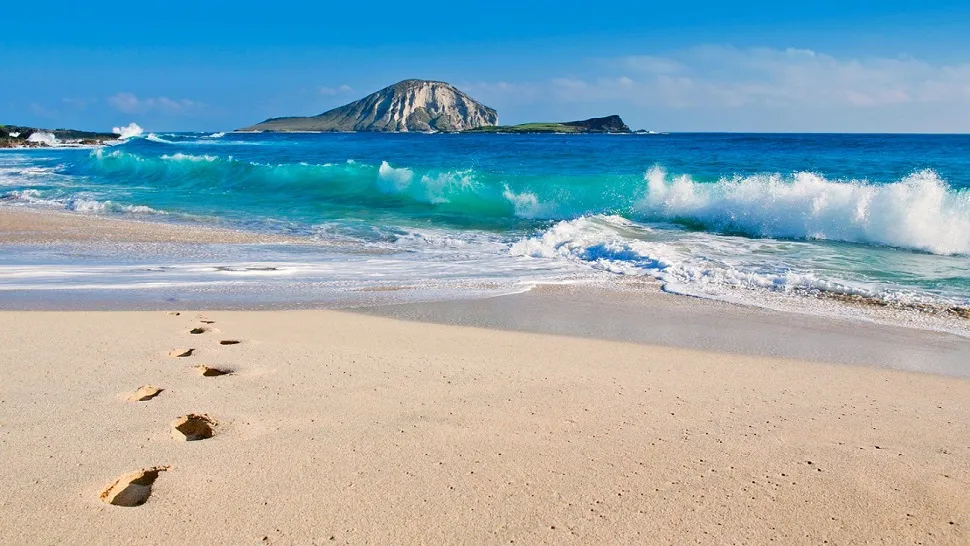
One of the most effective beach vacation photography tips is to experiment with composition. Instead of always placing the horizon in the center, try following the rule of thirds—position key elements off-center to create a more dynamic image. Look for natural frames, such as palm trees, rocks, or beach umbrellas, to add depth and interest.
Changing your perspective can also lead to more engaging photos. Get low to the sand to emphasize patterns or reflections, or climb to a higher vantage point for sweeping views. Including foreground elements, like footprints or seashells, can help lead the viewer’s eye into the scene.
For those interested in peaceful and less crowded locations, consider referencing guides on most peaceful beach destinations for inspiration and unique photo opportunities.
Capturing People and Candid Moments
Beach vacations are often about spending quality time with friends and family. To capture genuine emotions, focus on candid moments rather than posed shots. Use burst mode to photograph children playing in the waves or friends laughing together. If you’re photographing people against a bright background, use your camera’s fill flash or adjust exposure compensation to avoid silhouettes—unless that’s the effect you want.
Encourage your subjects to interact naturally with their environment. Walking along the shoreline, collecting shells, or jumping over waves all make for lively, authentic images. Remember to respect people’s privacy and ask permission before taking close-up portraits of strangers.
Mastering Water, Reflections, and Movement
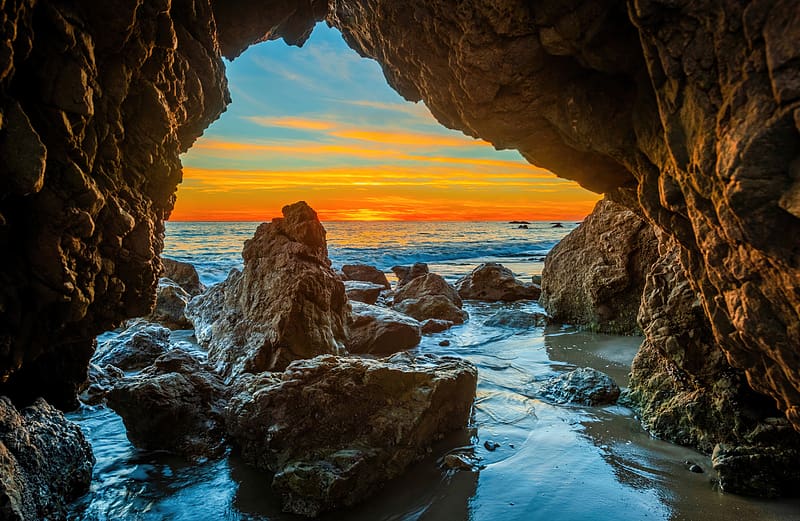
Water is a key feature of coastal scenes, and photographing it well can elevate your images. To freeze motion—such as crashing waves or splashing water—use a fast shutter speed. For a silky, smooth look, slow down your shutter and use a tripod to avoid camera shake. Reflections in wet sand or tide pools can add symmetry and interest; try shooting just after sunrise or before sunset for the best effect.
Don’t shy away from experimenting with long exposures, especially during twilight. This technique can transform moving water into a dreamy blur, contrasting beautifully with sharp rocks or piers. If you’re using a phone, many camera apps offer manual controls or “pro” modes that let you adjust shutter speed and ISO.
Editing and Enhancing Your Beach Photos
Post-processing can help you bring out the best in your images. Simple adjustments to brightness, contrast, and saturation can make colors pop without looking unnatural. Cropping can improve composition, while spot-healing tools can remove distractions like stray beachgoers or debris.
For those new to editing, free apps like Snapseed or Lightroom Mobile offer powerful features and are easy to use on the go. Remember, the goal is to enhance what you captured—not to overdo it. Subtlety often yields the most pleasing results.
If you’re planning your first trip and want more practical advice, check out this beach travel guide for first timers for tips on packing, safety, and making the most of your coastal adventure.
Planning Your Trip for Photographic Success
Choosing the right destination can make a significant difference in your photo opportunities. Research locations that offer a mix of natural beauty and interesting activities. For families, finding the best family beach holidays can provide both relaxation and vibrant scenes to capture.
Consider the time of year, local events, and even the style of accommodation. For a cozy, intimate setting, explore beach cabin vacation ideas that combine comfort with photogenic surroundings. If you’re traveling on a budget, learning how to save money on beach vacations can free up resources for gear or excursions that enhance your photography experience.
Frequently Asked Questions
What camera settings work best for beach photography?
For bright, sunny days, start with a low ISO (100–200), a fast shutter speed (1/500s or faster), and a moderate aperture (f/8–f/11) for landscapes. Use a polarizing filter to reduce glare and enhance colors. For portraits, open up the aperture (f/2.8–f/5.6) to blur the background and focus on your subject.
How can I protect my camera from sand and water?
Always use a waterproof bag or case when transporting your camera. Avoid changing lenses on the beach to prevent sand from entering the camera body. After your shoot, wipe down your gear with a damp cloth to remove salt residue. Consider using a lens hood to shield against spray and direct sunlight.
Are there any tips for taking photos with a smartphone at the beach?
Clean your lens frequently, as sand and fingerprints can quickly degrade image quality. Use your phone’s HDR mode to balance bright skies and darker foregrounds. Experiment with different angles and perspectives, and try third-party camera apps for more manual control over exposure and focus.