
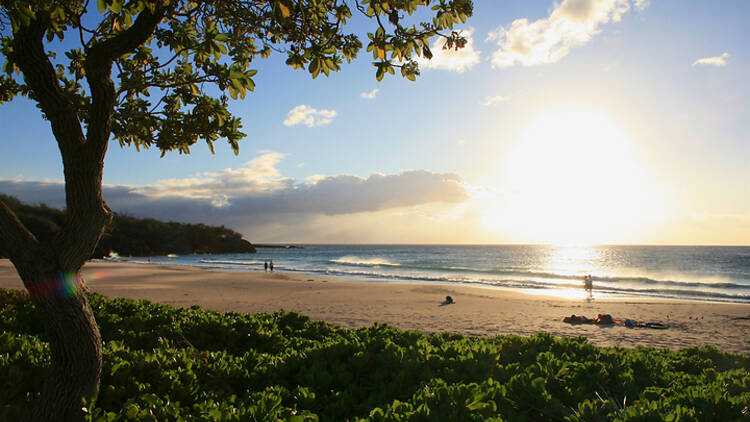
Planning a beach vacation during hurricane season can be both exciting and nerve-wracking. While the allure of quieter beaches and off-peak prices is strong, the risks associated with unpredictable weather require careful consideration. Whether you’re a seasoned traveler or heading to the coast for the first time, understanding how to prepare and what to expect is essential for a safe and enjoyable trip.
In this guide, we’ll cover the realities of coastal travel during storm-prone months, offer practical tips for staying safe, and help you decide if this type of getaway is right for you. For those interested in unique accommodations, you might also want to explore beach glamping destinations for a blend of comfort and adventure.
Understanding Hurricane Season at Popular Beach Destinations
The official hurricane season in the Atlantic runs from June 1 to November 30, with the highest activity typically between August and October. This period affects many beloved coastal areas, including the Caribbean, Gulf Coast, and southeastern United States. While not every destination is equally at risk, it’s important to know the patterns and probabilities before booking your trip.
Some regions, like the southern Caribbean, experience fewer storms, while others—such as Florida and the Bahamas—are more frequently impacted. Researching historical weather data and recent trends can help you make an informed decision about where and when to travel for your beach vacation during hurricane season.
Pros and Cons of Traveling to the Coast During Storm Season
There are distinct advantages to planning a trip during this time of year. Resorts and hotels often offer significant discounts, and beaches are less crowded, making for a more peaceful experience. However, these benefits come with the risk of trip interruptions, evacuations, or even cancellations due to severe weather.
- Pros: Lower prices, fewer tourists, and more availability at popular spots.
- Cons: Increased chance of storms, potential for travel disruptions, and the need for flexible plans.
Weighing these factors will help you decide if a beach vacation during hurricane season aligns with your travel style and risk tolerance.
How to Prepare for a Coastal Getaway During Storm Season
Preparation is key to enjoying your trip while minimizing risks. Here are some practical steps to take:
- Purchase travel insurance that specifically covers weather-related cancellations or delays.
- Monitor weather updates from reliable sources like the National Hurricane Center before and during your trip.
- Book refundable accommodations and flexible flights whenever possible.
- Have a backup plan for indoor activities in case outdoor excursions are canceled.
- Pack essential items such as a flashlight, portable charger, extra snacks, and copies of important documents.
By planning ahead, you can reduce stress and respond quickly if conditions change.

Choosing the Right Destination for a Beach Trip in Hurricane Season
Not all coastal areas are equally vulnerable to hurricanes. Some destinations, like Aruba, Bonaire, and Curacao, are located outside the main hurricane belt and are less likely to be affected. Others, such as the Outer Banks or the Florida Keys, may require more caution and flexibility.
Consider the following when selecting your destination:
- Check historical storm data for your chosen location.
- Look for resorts with robust evacuation and safety procedures.
- Read recent reviews to see how properties have handled past storms.
- Explore alternative accommodations, such as beach cabin vacation ideas or glamping, for a unique and potentially safer experience.
For families, some of the best family beach resorts offer flexible booking policies and comprehensive emergency plans, making them a smart choice during unpredictable weather periods.
Staying Safe and Informed While at the Beach
Once you arrive, stay vigilant about local weather conditions. Sign up for alerts from your accommodation or local authorities, and know the evacuation routes in your area. If a storm is forecasted, follow all official guidance promptly.
Other safety tips include:
- Keep your phone charged and have backup power sources available.
- Stock up on water and non-perishable food if a storm is approaching.
- Stay indoors during severe weather and avoid flooded areas or downed power lines.
Being proactive ensures you can respond quickly if the situation changes, helping to keep you and your travel companions safe.
Budgeting and Saving Money on a Storm-Season Getaway
One of the main draws of a beach vacation during hurricane season is the potential for significant savings. Many hotels and airlines offer reduced rates to attract travelers during these months. To maximize your budget:
- Book directly with hotels for the best cancellation policies.
- Look for package deals that include travel protection.
- Consider traveling with a group to split costs on accommodations and transportation.
- Read tips on how to save money on beach vacations without sacrificing comfort or experiences.
With careful planning, you can enjoy a memorable trip without overspending, even during storm season.
Alternatives and Backup Plans for Unpredictable Weather
If you’re concerned about losing beach time to storms, have a list of indoor attractions, museums, or local restaurants to explore. Many coastal towns offer rich cultural experiences beyond the shoreline. Some travelers opt for destinations known for tranquility and minimal crowds, such as the most peaceful beach destinations, which can provide a relaxing retreat even if the weather turns.
Flexibility is key—being open to changing your itinerary or even relocating if necessary can help you make the most of your vacation, regardless of the forecast.
FAQ: Beach Vacations and Hurricane Season
Is it safe to travel to the beach during hurricane season?
Traveling to the coast during storm-prone months can be safe if you stay informed, purchase travel insurance, and remain flexible with your plans. Always monitor weather updates and follow local guidance to minimize risks.
What should I pack for a beach trip in hurricane season?
In addition to your usual beachwear, pack a flashlight, portable charger, copies of important documents, extra snacks, and rain gear. Having these items on hand can make unexpected delays or emergencies easier to handle.
Are there destinations less affected by hurricanes?
Yes, some islands like Aruba, Bonaire, and Curacao are outside the main hurricane belt and experience fewer storms. Research your destination’s weather patterns and consider these locations for a lower-risk trip.
Can I get a refund if my trip is canceled due to a hurricane?
Many hotels and airlines offer flexible cancellation policies during hurricane season, especially if a storm is imminent. Purchasing travel insurance that covers weather-related disruptions is highly recommended for additional protection.
Final Thoughts on Planning a Coastal Getaway in Storm Season
Taking a beach vacation during hurricane season offers unique rewards and challenges. With the right preparation, flexible mindset, and a focus on safety, you can enjoy beautiful coastlines and quieter resorts while minimizing potential disruptions. Always stay informed, have a backup plan, and make the most of your time by exploring both the beach and the local culture. Whether you’re seeking adventure, relaxation, or a bit of both, a well-planned trip can deliver a memorable experience—even during the unpredictable months of hurricane season.